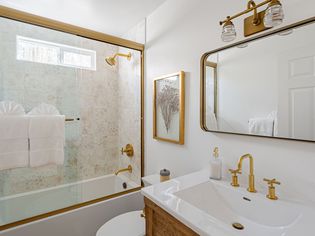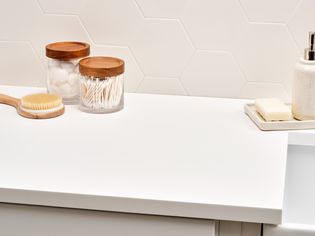
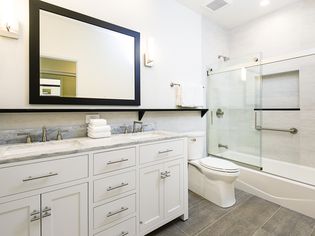
Bathroom vanities, which are small countertops supporting sinks and storing accessories like toothbrush holders and soap dispensers, typically range from 30 to 34 inches in height. Some homeowners prefer comfort height vanities, which can extend up to 36 inches, for easier reach.
Finding the right vanity height requires considering various factors to ensure comfort and functionality for all users.
Standard Vanity Sizes
Typically, bathroom vanities range from 30 to 36 inches in height. Vanities that measure about 30 to 34 inches are considered standard height, while vanities that measure 34 to 36 inches are considered comfort height because they are more comfortable for taller users.
The depth of a bathroom vanity can vary significantly, though most fall between 17 to 24 inches in depth. However, the width of a bathroom vanity is typically the most variable size factor, stretching from just 24 inches to 72 inches.
Single-sink bathroom vanities take up the least space, ranging from 24 to 48 inches in width, while double-sink bathroom vanities can measure between 60 to 72 inches on average.
Before deciding on the size of the vanity, make sure to measure the space and plan the layout, including the additional room required to open and close doors, cabinets, and drawers.
Vanity Height Considerations
There are several factors to consider before deciding on the best bathroom vanity height, including the average user height, the existing vanity height, available space in the bathroom, and traffic flow.
Height of the Average User
One of the most important factors to think about when deciding on the right vanity for the bathroom is the height of the average user. This should include all members of the household and any close friends or family that often visit. Given that vanities typically range from 30 inches to 36 inches in height, most people choose a 34-inch vanity to provide for the largest range of users.
However, it may be better to install a 30-inch or 32-inch vanity to make it easier and more comfortable for shorter individuals to use the sink and vanity. Similarly, if the members of the household are all around six feet in height, then a 36-inch vanity is a good idea. The extra height will make the sink and vanity more comfortable for taller users.
Current Vanity Height
If you already have a vanity, the existing plumbing and electrical layout will be designed for the current vanity. Switching to a significantly taller, deeper, or wider vanity may require you to adjust the water lines, drain lines, and the position of any electrical outlets.
Most homeowners and DIYers do not have the skills and experience to move the plumbing lines or adjust the position of the electrical fixtures, which means that they will need to hire a professional plumber and electrician to complete these upgrades. If you don't want to alter the existing plumbing or electrical configuration, buy a vanity that is compatible with the existing bathroom infrastructure.
Available Space and Existing Layout
A vanity should be able to fit in the bathroom without obstructing access to the toilet, shower, tub, or door. This includes the additional room required to open or close the cupboards, drawers, or main bathroom door.
Similarly, it's important to choose a bathroom vanity that suits the layout. Unless you're going to be renovating the entire space, the new vanity will need to be installed where the current vanity is positioned. The height of the vanity should be comfortable for the average user and should sit about five to 10 inches below the position of the mirror.
Sink Style
While most bathroom sink types won't affect the vanity design, there are a few options that could have you reconsidering the countertop height, size, and layout.
- Vessel sinks are designed to sit on top of the bathroom vanity. The edge of the sink can measure up to six inches in height from the base to the rim, so take this extra height into account when selecting your vanity. Choose a 30-inch or 32-inch vanity to ensure the sink sits at a comfortable height for users to wash their hands.
- Undermount sinks are positioned under the lip of the vanity, increasing the amount of surface area available for bathroom essentials. Since the entire sink sits below the edge of the vanity, you may want to opt for a taller vanity to increase user comfort.
- Tabletop sinks are similar to vessel sinks, except that they are typically rectangular or oval-shaped, with a wide, flat bottom. This style of sink sits on top of the counter, increasing the overall height of the vanity. With this in mind, it's best to select a 30-inch or 32-inch vanity, so that the sink is comfortable to use.
- Is 36 inches too tall for a bathroom vanity?
Whether 36 inches is too tall or not depends on the people living in the home. A 36-inch vanity is well-suited to taller users, but it can be difficult to use for kids or shorter adults, while a 32 inch vanity is comfortable for shorter individuals, but may be too short for people that stand closer to six feet in height. Consider the average height of the people in the home and select a vanity that is suitable for every user.
How high should a mirror be above a vanity?The goal when hanging a bathroom mirror is to position it so that it sits at eye-level for most users. Typically, this means placing the mirror about five to 10 inches above the vanity.
Recommended Articles
 SMALL-SPACES
6 Mistakes You Should Avoid When Decorating Your Apartment, Designers Say
Whether you're moving into your first apartment or your fifth, it's always helpful to brush up on what types of decorating mistakes you will want to be sure to avoid. We spoke with four interior desig
INTERIOR-DECORATING6 Tile Colors Designers Always Use, Even in Their Own Homes
Dark hues like black, deep blue, and dark green are all elegant and can be styled with lighter grout and decor. Opt for neutral tiles like light taupe and cream in various shapes to create visual inte
INTERIOR-REMODEL-AND-REPAIRThe Easiest Way to Remove Every Type of Blinds Without Damaging Your Window Frame
Removing blinds can be tricky. Whether you're removing them to replace them with new window treatments or to paint the window frame, you'll want to do so without damaging the window frame. The trick t
INTERIOR-REMODEL-AND-REPAIR6 Headache-Saving Tips You Should Know Before Starting a Remodel, According to Designers
You may finally be ready to update your home whether it's trying a new paint color or swapping out your current light fixture. However, there are some fundamental things that designers, architects, or
INTERIOR-REMODEL-AND-REPAIR5 Lessons I Wish I Learned Earlier About Renovating a Home as a First-Time Homeowner
This story is a part of our Old House New Issue, where we explore why people are no longer moving in 2024, and how to renovate your current home to make it work for you. To learn more about where to s
OUTDOOR-BUILDINGTurning Your Shed Into a Tiny House? Here's What to Know
Turning a shed into a tiny house expands living or creative spaces, opens up short-term rental income opportunities, or provides a place for family members to stay. Learn how to turn a shed into a tin
EXTERIOR-REMODEL-AND-REPAIRLearn the Rules for Overhead Clearance on Power Lines
Overhead power lines are subject to strict guidelines for minimum height clearances over streets, sidewalks, alleys, driveways, and other traffic areas. This is a safety consideration, aimed at keepin
BATHROOM-REMODEL-AND-REPAIR7 Countertops for Bathrooms
Countertops for bathrooms need to be waterproof, easy to clean, affordable, durable, and of course, attractive. A few bathroom countertops hit those marks. Laminate, quartz, solid surface, tile, and s