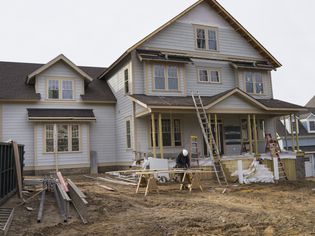
With a whole-house remodel, the entire house is transformed. It's an exciting step that can also be a bit intimidating, given the scale of the project and the amount of planning that is required.
The payoff can be substantial, though. Remodeling the whole house may be a necessary precursor to selling the house for a profit. Or it might be done to make the house more livable for its current occupants. Whatever the reason for the whole house remodel, the prep work is the same: budgeting, planning, and selecting a contractor, among other things.
Cost to Remodel a House
The average cost of a whole-home remodel is $48,600. This average is based on costs that start at about $17,700 and range up to $79,400. In general, expect to spend about $10 to $150 per square foot to remodel your entire house.
Because more plumbing and electrical work is involved, bathrooms, kitchens, and laundry rooms tend to be more expensive to remodel than bedrooms, living rooms, and office space. Here's a breakdown of the average costs to remodel each room during a whole house remodel:
- Bathroom: $6,700 to $28,000
- Kitchen: $14,600 to $40,000
- Laundry room (utility): $6,000
- Living Room: $5,000 to $10,000
- Bedroom: $1,500 to $5,500
- Office: $5,000 or more
Resale Value Considerations
If you expect to live in your remodeled house for the rest of your life, resale value is less of a concern. But in all likelihood, your whole-house remodel will cycle back to another set of buyers. Some remodel projects carry the potential of more resale value than others.
Full Resale Value
Some home remodel projects return their full cost or nearly so. According to the Remodeling 2023 Cost vs. Value Report, home remodels that might return 95-percent or more of their cost include:
- Convert gas-burning (or other fossil fuel-burning) HVAC to an electric system
- Replace the garage door
- Add manufactured stone veneer to the exterior
- Replace the entry door with a steel door
- Add vinyl siding to the house
50-percent or More Resale Value
Projects that might return 50-percent or more (up to 95-percent) of their cost:
- Replace the siding with fiber-cement siding
- Minor kitchen remodeling
- Replace the windows with vinyl or wood windows
- Midrange bathroom remodeling
- Replace the roof with asphalt or composite shingles
- Build a wood deck
Home Remodel Order
- Find a suitable contractor
- Plan the renovation with the contractor
- Demolish current materials
- Haul away demolished materials
- Rebuild main structures like walls, support beams, and subfloors
- Update or add plumbing, electrical, and HVAC
- Install drywall
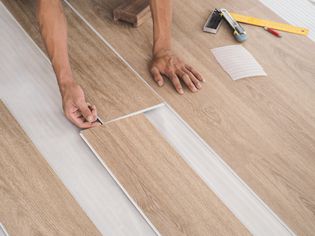
- Install flooring
- Install cabinets, fixtures, and appliances
- Add décor and finish the furnishings
Planning a Whole-Home Remodel
Choose Your Design Goals
Before you start, you need a vision or a general idea of the end result. Remodeling in order to sell is vastly different from remodeling for yourself for the long term.
Remodeling for resale means keeping your finger on the pulse of current design trends so the home will appeal to buyers. This is where it's helpful to seek the opinion of designers, architects, contractors, and other renovation professionals.
Remodeling for yourself means adapting the design plan to fit your needs. You may have children on the way. You may need two home offices. You may prioritize cooking and eating areas over entertainment or common areas. The best remodel design plan is one that starts with a close examination of your needs and wants—even before discussing the home itself.
Determine Your Funding
You will need money to pay for the remodel. Likely, cash won't be your only funding option. You have a range of funding choices that you can mix to find the solution that works best for you:
- Cash: Cash is liquid, doesn't need to be paid back, and carries no interest.
- Home equity loan: Borrowing money against the equity in your house may ensure a lower interest rate since this is a secured loan. Your home is held as collateral for the loan.
- Credit cards: Credit cards have such low borrowing limits and high interest rates that using them for the entire remodel isn't practical. But you can purchase specific items with credit cards: cabinets, flooring, or fixtures.
- Home Improvement Program ("HIP") loans: HIP loans are government-subsidized loans that help rehabilitate structures or correct violations. These loans cover core remodel projects like roofing and siding. Projects like hot tubs, decks, and swimming pools are not eligible for HIP loans.
DIY vs. Hiring Pros
For most home remodeling projects, you have a choice: hire professionals, do it yourself, or combine the two. If this is a whole-house renovation, you likely will not do all the work yourself, though you can do some of the work, if you'd like.
Professionals can assist with developing a new floor plan, determining if existing walls are structural or cosmetic and if they can be removed, and how to lay out the electrical wiring in the best way for lighting, plumbing, and appliances. Even a skilled DIYer will likely call in a professional for projects like plumbing and electrical.
Consider on a case-by-case basis whether you can take on the home renovation project yourself or wish to hire professionals. Projects that intermediate- or advanced-level DIYers can take on include:
- Demolition
- Hauling
- Painting
- Tilework
- Minor electrical work
- Installing plumbing fixtures
Find and Work With the Contractor
One of the best ways to find a contractor is through someone who can recommend the contractor based on personal experience. Or you can search for contractors online and read their reviews.
The contractor does the heavy lifting of the home remodel: finding subcontractors, scheduling them, arranging materials deliveries, scheduling and meeting inspectors, obtaining and finaling the permits, and much more.
The contractor is there to work for you. So, it's best to step out of the way and let the contractor do their job. You can help the contractor by being available and by keeping the lines of communication open. When the contractor has a question, get back to them immediately.
Permits and Zoning
Building permits can take a long time to get approved. Electrical permits and permits for demolition or fences may not take more than a few days. But permits for large-scale projects that involve zoning, like building a home addition, may take many weeks or months.
One benefit of a contractor is that they will handle all the permitting for you. Permit costs are included as a line item in the final cost of the home remodel.
Safety
Asbestos and lead-based paint are the most commonly found dangerous materials when remodeling a house.
Asbestos is found in loose-fill insulation, some popcorn ceilings, some paint, house siding, pipe insulation, some vinyl floor tiles, and some tile backing and tile adhesive.
Houses built prior to 1978, when lead-based paint was outlawed, are at greater risk for containing lead-based paint than newer homes.
- Is it cheaper to renovate a house or build from scratch?
It is usually cheaper to renovate a house than to build one from scratch. When building a new home from scratch, all materials are new. With a home renovation, most materials remain in place and some can even be reused. The scale of a new home build will nearly always be greater than that of a home renovation.
What comes first in remodeling?The first thing to do with whole-house remodeling is to develop a plan with a contractor. After that, the first step is to demolish and remove the parts of the home that will be remodeled.
What is the most expensive part of a remodel?The most expensive part of a whole-home remodel is usually remodeling the kitchen and the bathrooms. Electrical and plumbing work are costly, as well as adding a foundation if any sections of the home need to be rebuilt.
Are home renovations worth the money?Remodeling can boost the value of a house and the return on your investment. If you plan to stay in the home for the long term, the renovations may pay off when you sell the home. A whole-home renovation may not be worth it in the short term unless you are specifically remodeling to sell the house at a higher price
Recommended Articles
 SMALL-SPACES
7 Mistakes You're Making When Decorating a Small Room, According to Designers
There's nothing more exciting than refreshing a room in your home, but deciding how to decorate a smaller space involves some extra care and consideration during the design process to keep things func
HOME-DESIGN-STYLESWhat Is Baroque-Style Design?
Baroque interior design refers to the style of decor that was used during the Baroque period of architecture, art, and design in the 17th and first half of the 18th century. What Is Baroque-Style Des
INTERIOR-DECORATINGThe Outdated Home Decor You Should Throw Out While Spring Cleaning, Designers Say
Spring cleaning is about more than just donating clothes that no longer fit or parting ways with anything in your home that is stained or broken. It's also a great time to evaluate your home decor and
ROOM-DESIGN-AND-DECORATINGWe Asked Designers What Paint Colors Make a Kitchen Look Smaller—And We're Repainting ASAP
Key Takeaways Darker colors like charcoal or slate gray absorb light and can make a kitchen feel more confined.Rich jewel tones, like emerald or ruby red, similarly can make the walls appear closer to
INTERIOR-REMODEL-AND-REPAIR5 Home Reno Projects You Should Never Do By Yourself, Home Experts Share
Avoid dangerous projects like electrical installation or roofing since it can lead to serious problems.DIY plumbing often lacks the proper inspection and testing it needs which can cause leaks. Floori
OUTDOOR-BUILDINGHow to Calculate How Much Concrete You Need
For projects around the home like patio slabs, fence posts, walkways, and more, you'll need to know how to calculate how much concrete you need. Online calculators and tables are helpful. But those ca
EXTERIOR-REMODEL-AND-REPAIRIs That Termite Damage or Wood Rot? How to Tell the Difference So You Can Fix It Fast
Termite damage and wood rot look similar and are damaging to a home.Termite damage is due to insects, while wood rot is caused by fungus or water.Knowing the difference between termite damage and wood
BATHROOM-REMODEL-AND-REPAIRWhat Is Standard Towel Bar Height? Plus Heights for Other Bathroom Accessories
Towel bars and other bathroom accessories should be located conveniently and at the correct height. The standard towel bar height is 48 inches to accommodate a comfortable reach for most adults. Howev