
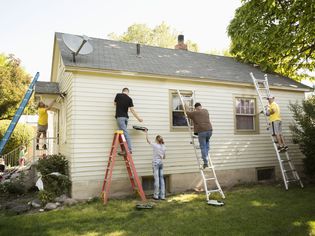
Let’s face it: undergoing a renovation while living at home is no easy feat. Of course, it’s exciting to finally see your space as you envision it. However, there are the inevitable loud noises, lengthy timelines, and piles of dust that come along with it.
So, if you’re planning a live-in reno, some healthy prep and planning is always helpful. Ahead, we called on two experts to share their top tips for how to survive—and thrive—through the process.
Meet the Expert
- Jordan Fulmer is the founder of Momentum Property Solutions, a home renovation company.
- Naïka Andre is the founder and principal designer at NJA Interiors.
How to Prepare for a Live-In Renovation
As with any home renovation, it’s important to manage expectations before it begins. “No matter the project, it's likely to take longer and be messier than what you originally anticipated,” Jordan Fulmer, founder of Momentum Property Solutions, explains.
Naïka Andre, founder and principal designer at NJA Interiors, concurs that renovations of any scale can be disruptive. “I know not everyone can afford the luxury of living elsewhere while their home is under construction. If not, be sure to keep your living space separate from the construction site,” she advises. “For example, if you have an in-law suite, move there temporarily. Or, renovate per zones so you're able to live on one side while the other areas are being worked on.”
The next step is to ensure your furniture and decor are protected and out of the way, Fulmer says. “If you are doing a major renovation, the best approach is to completely clean out the room you are working in so that you have room to work and don't have to worry about getting debris on your belongings,” he adds.
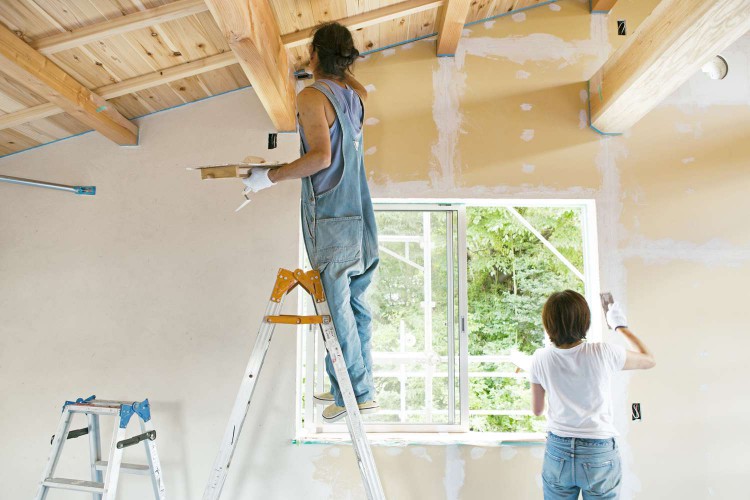
PHOTO MIO JAPAN / Getty Images
Which Order Should Rooms Be Renovated in?
When remodeling multiple rooms, it's recommended to tackle them one at a time. “This is especially true when renovating kitchens and bathrooms,” says Fulmer. “You don't want to get stuck in the middle of renovating all of your bathrooms and put your family in a bind when they need to get ready. Renovating one room at a time will also limit the amount of time each one is out of commission.”
Andre also recommends staggering bathroom renovations, adding that you can set up a makeshift kitchen to prepare meals if you only have one in the house.
How to Manage Your Timeline
However much you plan and prep, the truth is that you never know exactly how long a renovation will take—and often, it requires more time than anticipated. “Allow for flexibility and expect the unexpected,” Andre says. “There's no telling what's behind those walls, above the ceiling, and beneath the floors.”
Inexperience with a project or scope creep in the middle of the renovation can also cause delays, according to Fulmer. “The best way to stay on track and reach milestones is to stay focused and never lose momentum,” he advises. “It's extremely common for homeowners to get halfway through a project, take a small break, and never pick it up again. Once you start a renovation, spend any possible time working on it to keep the momentum going. Otherwise, you run the risk of losing steam and never finishing it.”
Andre adds that lead times for materials haven't been quite the same post-pandemic, so it’s helpful to check in with your contractors and team on anticipated delivery dates as well as have backup options to prevent further pushing of the timeline.
Reza Estakhrian / Getty Images
Keep Things Safe and Secure
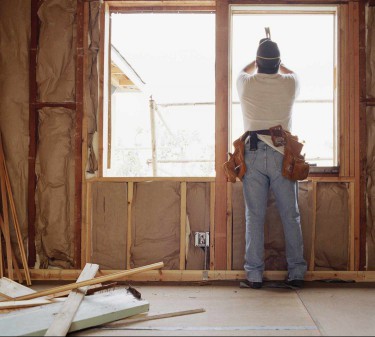
It goes without saying that most home renovations create a lot of dust. “If you or anyone in your family has asthma or severe allergies, you might want to strategize on how to keep the dust levels down before starting a live-in renovation,” Fulmer recommends.
Andre stresses that safety is the most important aspect of any reno. “Wear protective gear like a hard hat, safety goggles, and boots when on the job site,” she says.
For homes with pets or kids, additional precautions are needed to ensure everyone stays safe. “If you are doing anything with electricity, it is important to cap off any exposed wires and turn off the breakers for any circuits being worked on,” Fulmer elaborates. “Children will immediately be drawn to wires sticking out of the wall, so you want to make sure they do not get shocked. The best option would be to never leave wires exposed and always reconnect them to their associated switches and outlets and reinstall the cover plates.”

Marko Geber / Getty Images
Andre also suggests installing barriers to keep kids and pets far away from the construction area, as well as minimizing time spent at home during the day so that more involved projects don’t put inhabitants at risk.
Other than safety procedures, it is important for families with kids and pets to avoid leaving paint cans open. “Otherwise, you could end up with a spill or foot or paw prints on your floors,” notes Fulmer.
Despite best efforts, there are certain circumstances where it’s best not to live at home while renovating. This is especially true if you are updating systems that will render most of the house unusable, such as completely replacing the plumbing or electrical systems, according to Fulmer. Other instances are if the home is extremely old or a family member has severe allergies to dust, says Andre.
Recommended Articles
How Long Does Paint Take to Dry and Properly Cure?
How long does paint take to dry? Well, it depends. Factors like the type of paint, the application, the ambient humidity and temperature, ventilation, and more will all impact the time it takes for pa

5 Reasons Why You Should Never Paint Your Deck, Pros Say
If you're considering painting your deck, be mindful that experts are extremely opposed to this practice for a number of reasons. Below, they delve into the risks associated with painting a deck, whic

What Is Retro Design? Explore Its History and Key Elements
Retro style is making a major comeback and is especially popular among millennials. We spoke with designers who reflected on the style's origins and key elements and also offered advice for those look

This Unexpected Grout Color Is Better Than White for Subway Tile, Designers Say
When installing subway tile in your kitchen, there are a number of routes that you can go as it pertains to grout. While many people opt for a simple white, you may wish to think a bit outside the box

We Asked Real Estate Pros Their Best-Kept Secrets to Sell Your House Faster in 2025
When you've finally decided to sell your home, the process of doing so can be challenging and confusing. Whether it's going through numerous open houses or waiting around for the right offer (or any o

The German Habit You Should Try for Fresher Indoor Air This Winter
While keeping your windows closed all winter may keep your home warm, it also traps mold, bacteria, and allergens inside the house, where they will gradually build and affect your indoor air quality.
Should You Rebuild a House or Remodel a House?
If you own a house that is getting a little shabby, it might be beyond the point of more minor home improvements. As with an older vehicle, minor repairs are good for keeping the car running, but even
8 Home Reno Projects Contractors Say You Should Finish This Spring
While there are some upgrades that can be completed indoors during the fall and winter, the temperatures can present challenges. Mild weather conditions make spring the ideal season for work that requ