Key Points
- Fly ash improves concrete durability and reduces permeability.
- Using fly ash in concrete can lower CO2 emissions and hazardous waste.
- Fly ash usage increases concrete's resistance to cracking and alkali reactions.
Fly ash, a byproduct of burning pulverized coal in power plants, is often seen as a hazardous waste but has a valuable use in concrete. Due to its initial harmful impact on air quality, fly ash is now regulated and stored rather than being released into the atmosphere. Instead of remaining a waste product, it can enhance concrete's durability and reduce permeability.
However, the danger to humans, wildlife, and the environment presented by fly ash production can be mitigated by using fly ash to improve the composition of concrete. Since fly ash contains aluminous and siliceous components, it may form cement when mixed with water if the calcium content of the fly ash is high enough. Similarly, mixing fly ash with lime and water can create a substance similar to Portland cement.
Fly ash can be separated into two main types, known as Class F and Class C. Class F fly ash contains particles covered in a type of melted glass allowing it to reduce the risk of concrete expansion and increase resistance to sulphates and alkali-aggregate reactions. Class C fly ash contains a higher percentage of calcium oxide, making it more effective in strengthening structural concrete.
Find out more about fly ash and how it is used in concrete with this thorough guide.
What Is Fly Ash?
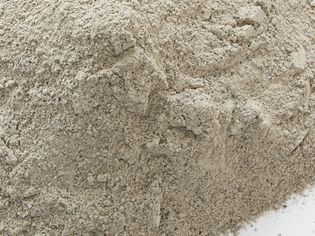
Fly ash is a finely divided residue made from the combustion of pulverized coal that can be used to increase concrete durability and workability, while reducing permeability.
Fly Ash Applications and Uses
In the commercial and industrial sectors, fly ash has a wide variety of applications and uses, though it is primarily known for improving the durability and workability of concrete mixes. Fly ash is also a filler in paints, adhesives, and metal and plastic composites. It's commonly used as structural fill for road construction and fly ash can be used to make bricks, ceramic tiles, plaster, Portland cement, and ready-mix cement.
Other building materials that may contain fly ash include hot mix asphalt, grout fill, wallboard, concrete pipes, and concrete bricks. In fact, fly ash can be substituted in a Portland cement mix at a ratio of about 1.5 pounds of fly ash for every 1 pound of cement mix. Accordingly, the amount of fine aggregate in the concrete mix must be reduced to accommodate the additional volume of the fly ash.
Cost and Environmental Impact
Fly ash isn't a product that the average DIYer would find on the shelves at a local home improvement store. This substance is recognized as a hazardous byproduct created by burning coal and it is regulated by the EPA, so only companies with the appropriate training and permissions may purchase fly ash or coal ash to create fly ash products. Generally, fly ash cement is more affordable to produce than traditional cement, making it an attractive option for concrete manufacturers.
Fly ash contains mercury, cadmium, and arsenic. Without proper management, fly ash can pollute the waterways, ground water, drinking water, and air, posing a risk to humans, wildlife, and the environment. Using fly ash in construction materials instead of sending it to the landfill reduces the amount of hazardous waste affecting the environment. Substituting fly ash for a fourth or a third of the cement in concrete also decreases the CO₂ emissions generated by cement production, reducing the overall impact on the environment.
Benefits and Drawbacks of Fly Ash in Concrete
In most situations, using fly ash cement instead of Portland cement to manufacture concrete is a cost-effective option that increases the durability and workability of the concrete mix. This formula also reduces the amount of CO₂ emissions generated by cement production and recycles hazardous waste, instead of allowing it to sit in a landfill.
Using fly ash in concrete reduces cracking, permeability, and bleeding, creating a dense, high-durability concrete that is resistant to sulphates and alkali-aggregate reactions. This concrete mix also requires less water and has a tendency to resist shrinking.
However, using fly ash in concrete does come with potential problems. Substituting fly ash for Portland cement in a concrete mixture leads to longer drying and curing times. When used in cold climates, mixtures with high levels of fly ash can also encounter issues with slow strength development. Though, air-entraining admixtures can be used to minimize the damage from freeze-thaw cycles.
Also, keep in mind that the EPA has regulations for the proper disposal of fly ash, as it does contain arsenic, mercury, and cadmium, which are contaminants that can cause water and air pollution.
Cost-effective alternative to Portland cement
Increases durability and workability of concrete
Helps prevent cracking or expansion and reduces permeability
Resistant to sulphates and alkali-aggregate reactions
Recycles coal burning waste and reduces CO₂ emissions
Longer drying and setting times
Delayed setting in cold climates
Slow strength development in cold climates
Air-entraining admixtures may be necessary
Requires safe disposal according to EPA regulations
- What products can be made using fly ash?
There are a variety of products fly ash is used to create, including ready-mix concrete, mineral filler for asphalt roads, concrete blocks and pipes, bricks, and as structural fill for road construction.
What is fly ash made up of?The exact components of fly ash can vary depending on the source and composition of the coal being burned. However, all fly ash includes significant amounts of calcium oxide, aluminum oxide, and silicon dioxide.
Is fly ash eco-friendly?Fly ash is not environmentally friendly. It is a waste byproduct of combusted coal, and it's generally considered an environmental hazard. However, by reusing or recycling the fly ash to make concrete products, the impact of fly ash on the environment can be reduced, instead of simply sending this hazardous waste to the landfill.
Recommended Articles
 PAINTING
Does Paint Dry Darker or Lighter? Plus How to Guarantee You Get the Right Shade
Paint often changes shades as it dries, so some people may find it challenging to get the exact look they had intended. When it's fully dry, the painted surface should match the paint swatch from the
HOME-DESIGN-STYLES27 Midcentury Modern Bedroom Decorating Ideas
Midcentury modern bedrooms offer a calm and timeless design that blends seamlessly into any home. This style, which became popular in the 1950s and 1960s, is distinguished by natural wood, simple line
INTERIOR-DECORATING5 Inexpensive Upgrades Designers Swear By for Increasing Home Value—and They're Easy to DIY
Key Points Fresh paint, new lighting, and updated hardware quickly boost home value on a budget.These easy upgrades refresh key areas and create a cleaner, more modern feel.Small improvements matter;
INTERIOR-REMODEL-AND-REPAIROur Ultimate Renovation Checklist Will Help You Plan Any Project
When managing a renovation, whether it’s for a whole house or just a room, the best way to stay organized is with a home renovation checklist. Following a process and giving each step its due diligenc
EXTERIOR-REMODEL-AND-REPAIRHow Much Do Sunroom Additions Cost?
Adding a sunroom to your home is a great way to increase the amount of sheltered space you have to roam, especially for those in colder climates, when snowy weather forces you to spend more time indoo
EXTERIOR-REMODEL-AND-REPAIRHow Much Does a Land Survey Cost? What to Know Before Buying or Selling Your Home
A land survey or property survey records the existing descriptions, measurements, topography, and boundaries of a specific property. They will also typically include any man-made structures, like a ho
KITCHEN-REMODEL-AND-REPAIR5 Clever Ways to Update Old Laminate Countertops (Without Spending a Ton)
Dated laminate countertops can give your kitchen a tired look. But if you're a renter on a budget or don't have the means to replace them, there are some easy and affordable ways to upgrade them in th
KITCHEN-REMODEL-AND-REPAIRWhat Is a Pot Filler and Do You Need One in Your Kitchen? Everything You Should Know
You might have noticed a trend in today's kitchen remodels, particularly high-end ones, is the addition of a pot filler: that secondary faucet typically mounted onto the wall right behind the kitchen’