Retro style is making a major comeback and is especially popular among millennials. We spoke with designers who reflected on the style's origins and key elements and also offered advice for those looking to incorporate retro pieces into their own homes. The key? Not going overboard with retro items and mixing and matching finds from other eras, too. We talked with designers about how to do just that.
Meet the Expert
- Eleanor Trepte is a designer and co-owner of Dekay and Tate Interiors
- Jonathan Rachman is a designer and owner of Jonathan Rachman Design.
- Blima Ehrentreu is the founder and CEO of The Designers Group.
Origins
If you associate retro style with the "Mad Men" era (named after the TV show that takes place in the 1960s) you're on the right track. Primarily, retro style refers widely to the midcentury modern time frame with its many distinct styles, colors, patterns, furniture, and decor, explains designer Eleanor Trepte. She further explains, "Original retro style is rooted in the color and design ethos of the '60s and '70s, but faded away in the '80s through early aughts (2000 to 2009) as other, more contemporary design styles came into favor."
However, this is not always the case, notes designer Jonathan Rachman. "While a midcentury modern interior may be a type of retro style, it is not always," he says. Rachman explains that retro-style interiors may also reflect influences of art deco, rococo style, or other design elements of the past.
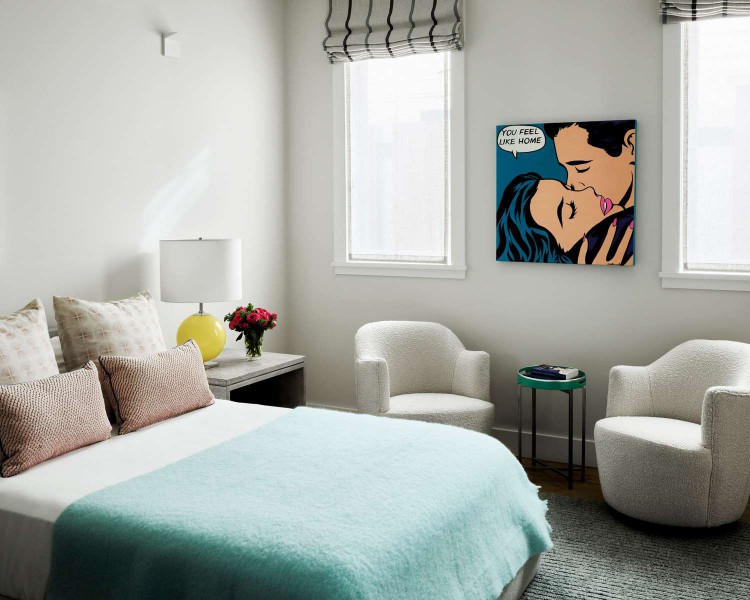
Douglas Friedman for Jonathan Rachman
Key Characteristics
As noted, midcentury modern furniture is one hallmark of retro style, specifically its characteristic curved or angled pieces featuring bold hues or metals like chrome, Trepte says.
Retro style is also known for certain hues, such as avocado green or its rainbow of psychedelic colors, Rachman notes. Other popular retro colors include mustard yellow, orange, and cherry red, says Trepte. And don't forget about pattern and texture galore, she adds, citing bold wallpaper and shag rugs as key examples.
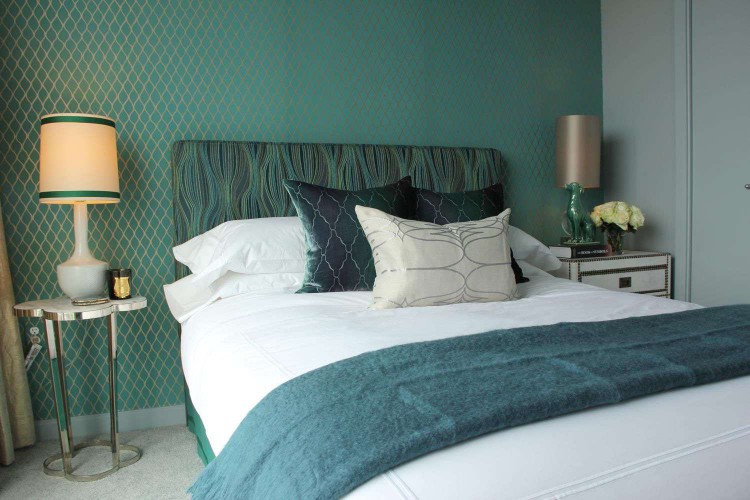
Keith Wong for Jonathan Rachman
Decorating Tips
Rachman advises those designing a retro-style space to practice moderation. "Unless you are trying to do a movie or theater set to be historically accurate, please don’t take the retro style to a level so that it becomes theatrical," he states. "Plan and scheme your design based on either a piece of furniture, light fixture, or wallpaper from a certain era, then build your design from that one inspiration."
Rachman adds, don't worry about paying homage to only one particular era. "It is absolutely okay to use a midcentury-inspired bucket swivel chair in a grand drawing room with a classic chinoiserie pattern from the 18th century and combine them with a console from the 21st century."
Trepte agrees. "For instance, we love midcentury modern sofas or chairs in bold colors, but then counteract that with sleek hardwood or carpet, a contemporary coffee table, and white walls," she says. "It is all about balance when it comes to retro style."
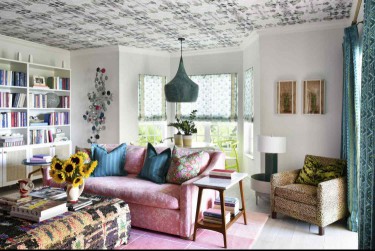
K Hayden Rafferty for Dekay and Tate
Elements of The Style's Recent Revival
Millennials, often referred to as the nostalgic generation, may have boosted the resurgence of retro style because they appreciate the comfort of these familiar, classic designs from their childhoods. These once-discarded retro pieces of furniture are now seen as special and intentional, says designer Blima Ehrentreu, who notes, "Furniture or decor that may once have been overlooked as outdated or tacky in a thrift store now works in a space that is meant to look retro." Young professionals looking to decorate on a budget appreciate the ability to buy these items secondhand, knowing these familiar, classic designs will last because they are made so well.
Rachman believes that retro style never truly disappeared and that we have become more aware of the style and how to access genuine secondhand pieces thanks to technology. "Every century, and decade within the century, we have always mixed interiors, borrowing from the past, mixed in the present," he explains. "The internet and social media have exposed the retro style exponentially." Rachman says we no longer have to wait for monthly magazines or TV shows to help us cultivate our sense of retro style since all we need is right at our fingertips.
- What are some retro accessories for my room?
Retro accessories and furniture are easy to find now that the vintage style is popular. For example, IKEA's new retro collection of furniture and accessories harkens back to the 1960s and 1970s. Look for starburst clocks and lighting fixtures to wall decals in wavy or geometric shapes and colors that evoke the era. Get the wrong vintage pieces though and your home will just look dated.
Do retro and vintage mean the same thing?It's easy to confuse retro and vintage but they do not mean the same thing. Retro means something is made to look vintage and vintage furniture and items are between 20 and 99 years old.
What are some examples of retro art for my wall?Retro art for walls can be defined as eclectic. For example, midcentury modern art can include framed posters from the era to graphic fabric wall hangings designed with bold but simple geometric shapes in burnt orange, reds, yellows, and browns. Earlier retro artwork also includes framed paintings of landscapes.
Recommended Articles
 ROOM-DESIGN-AND-DECORATING
6 Popular Design Choices Designers Would Never Put in Their Own Homes
It's an interior designer's job to stay on top of the latest home trends. But it's not their job to love all of them. We asked three interior designers to dish the dirt on which popular design choices
INTERIOR-REMODEL-AND-REPAIR8 Home Renovations Homeowners Ended Up Regretting (and You Might Want to Skip Too)
If you're ever in doubt about whether you may regret a reno decision, Reddit is an excellent resource to reach out for advice, harrowing stories of regret, and to find out options that may work better
EXTERIOR-REMODEL-AND-REPAIRStucco House Finish: Basics, Application, Pros, and Cons
Stucco is a durable, versatile exterior finishing plaster coat found on homes nationwide. Though fiber-cement panels, vinyl siding, and plywood are popular siding materials, stucco has been used for c
BATHROOM-REMODEL-AND-REPAIRThe 4 Main Types of Bathrooms
Bathroom types are important when buying, selling, building, or remodeling a house. All houses will have one full bathroom, and many houses will have a second bathroom in the form of a full bathroom,
BATHROOM-REMODEL-AND-REPAIRTips for Positioning a Bathroom Vent Fan
Choosing a location when installing a bathroom vent fan depends on where the fan will work best for removing moisture and how to run the ductwork efficiently. Read on to find out what a bathroom fan d
KITCHEN-REMODEL-AND-REPAIRHow Much Does It Cost to Paint Kitchen Cabinets? A Complete Guide
Painting kitchen cabinets can be a cost-effective way to refresh your kitchen when the cabinets show signs of wear, such as fading or chipping. Rather than replacing the kitchen cabinets, which can be
KITCHEN-REMODEL-AND-REPAIR7 Best Backsplash Materials
Similar to choosing tiles for the shower or hardwood for the floor, it's important to take your time selecting a kitchen backsplash material because it will be a permanent part of your kitchen decor—a
KITCHEN-REMODEL-AND-REPAIRThese 8 Hacks Can Help You Fake a Kitchen Reno
When it comes to renovating your home, nothing makes more of a difference than a brand new kitchen—and nothing is quite as demanding on the budget either. If a new kitchen just isn't quite in the card