Remodeling a bathroom can be one of the most satisfying home improvement projects, with immediate and personal results. A high-quality bathroom remodel can also boost resale value. However, to ensure the best bathroom remodel, you should consider hiring an experienced contractor to oversee your project to completion.
Read on to learn tips on hiring a contractor for a bathroom remodel, which will save you time and money in the long run.
Interview Three or More Bathroom Contractors
You gain only limited viewpoints when you speak to just one or two bathroom contractors. When you solicit bids from these contractors, bids might be higher than expected. Increasing the number of contractors you interview makes it easier to find the contractor who is the perfect fit for your job. Plus, you'll have an excellent range of bids to choose from.
Review Contractor's Previous Work
Bathroom contractors typically show up for the interview with a picture gallery of the previous bathroom remodels, either in a picture book or on a screen. You can also view the contractor's portfolio on their website or on contractor-matching sites that they belong to.
However, look past the eye-catching pictures to decide if this bathroom contractor offers the type of work right for you.
Get Estimates in Writing
Verbal estimates are worth little to the homeowner or the bathroom contractor. Even if everyone has good intentions, numbers get forgotten, misinterpreted, or misheard.
Everyone can understand a well-written estimate, which is valuable if you need to take legal action. Requesting a bathroom contractor for a verbal ballpark figure is perfectly fine. But, if you decide to go forward with the work, that verbal agreement must be included in a written estimate of costs.
Clarify What the Contractor Will Do
Speak with the bathroom contractor for details about what will be accomplished during the project. Bathroom remodel contractors perform a specific roster of activities and require certain materials. The contractor should list, in writing, a range of defined, smaller sub-projects.
Pin Down the Schedule
Before signing the contract, clarify all the dates, including the start date of the remodel and the project's overall duration. Ensure the dates are listed in the agreement, and look for any "asterisks" or fine-print warning signs that might state the schedule and timings are subject to change at the contractor's discretion.
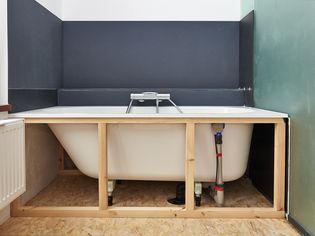
Know in advance what "unforeseen circumstances" might affect a schedule change, and agree to all that so there are no surprises. Some acceptable circumstances might be if they open the wall and the plumbing system has decayed, needing new parts or replacement. Sometimes, slow leaks under a bathtub over decades may cause rot in the supporting wooden floor joists, requiring remediation.
Other elements that might hold up a project are supply chain issues, such as purchasing tiles, hardware, or other out-of-stock items. Before signing a contract, ask them to verify that all the needed items are in stock and ready for your project.
Discuss Supplying Your Own or Reusing Items
When remodeling your bathroom with a contractor, you can use new building materials or recycle usable materials from your existing bathroom. Discuss with the contractor in advance the materials that you wish to reuse. Also, be sure to follow the contractor's guidance about the viability of these materials.
Discuss Peripheral Logistics
It is the mark of a good contractor if they are proactive about bringing up peripheral issues that affect you during the bathroom remodel. Get the following answers:
- If the bathroom being remodeled is your only bathroom, what will you use during this time?
- What time of day will the subcontractors arrive, and when will they leave?
- Will they work on weekends?
Verify Licenses and Credentials
Get a licensed and registered bathroom contractor. They have to go through extra hoops like insurance, bonding, a criminal record check for their workers, testing, continued education, and more. Consider using an online contractor-matching service that checks in advance that the contractor's licenses and registrations are up-to-date to be part of their online service.
Choose the Contractor Who Is the Best Fit
Your final choice of a contractor for your bathroom remodel should line up on several factors, not just the cost factor. An inexpensive bathroom remodel is hardly worth the price if the quality or materials barely last a few years. Review these factors, in addition to price, when deciding on the best contractor for your project:
- How well you and the contractor can work together
- Whether the contractor's previous projects are in line with your project
- Scheduling, both yours and the contractor's
- The contractor's professionalism
- Testimonials from other clients
Sign a Legal Contract
Once you decide on a bathroom contractor, get a contract. This contract should be signed and dated by both parties and include the particulars of the remodeling project. The document should mention cost, payment schedule, work site address, start and end dates, and other details that both parties agree upon.
- What are the benefits of hiring a contractor?
Hiring a good contractor can save you time and money. Contractors have experience in plumbing and construction and do not need to follow installation guides or buy tools. They should also have connections to get good-quality products for your project. Often, they have warranties for their work, so if something goes wrong, they're on the hook for fixing it.
How much should a bathroom remodel cost?The average cost for a bathroom remodel is about $12,000. However, the price can range much higher if you choose high-end finishes or do a complete bathroom overhaul, changing the layout.
What renovations add the most value to a bathroom?Some of the best returns on your investment in a bathroom include adding a walk-in shower, installing a luxury vanity and high-end countertop, refinishing the bathtub refinishing, or replacing the flooring and cabinets.
Can you DIY a bathroom remodel?You can remodel a bathroom; however, it depends on what you want to do and your experience with that project. Changing cosmetics is straightforward enough for a DIYer. However, changing a layout, moving plumbing fixtures, or installing new floors or bathtub tiles would be money well spent on a contractor who knows what they're doing. It will certainly save you time in the short run. In the long run, their work will likely be of higher quality than yours and last longer.
Recommended Articles
 PAINTING
How to Use Paint Thinner
Paint thinner is a broad term defining numerous solvents designed to thin or remove paint from brushes, rollers, and other tools. Examples of paint thinners include turpentine, acetone, naphtha, miner
SMALL-SPACES4 Things You Should Double Check Before Signing Your First Lease, According to Pros
This story is part of Home School, our complete guide to making your first home your own, where we share our first-hand and expert advice on everything you need to know to make your first home your be
INTERIOR-DECORATINGGuide to Common Fabric Patterns and Types
It's a common scenario: You're on the hunt for fabric swatches and can envision the exact fabric pattern you want, and it's stuck at the tip of your tongue. There are hundreds of fabric patterns and t
INTERIOR-REMODEL-AND-REPAIR4 “Dream” Home Upgrades You Can Fake Right Now, According to Avid DIY-ers
This story is a part of our Old House New Issue, where we explore why people are no longer moving in 2024, and how to renovate your current home to make it work for you. To learn more about where to s
INTERIOR-REMODEL-AND-REPAIR6 Headache-Saving Tips You Should Know Before Starting a Remodel, According to Designers
You may finally be ready to update your home whether it's trying a new paint color or swapping out your current light fixture. However, there are some fundamental things that designers, architects, or
HOME-IMPROVEMENTNational Electrical Code (NEC) Rules for Outdoor Wiring
The National Electrical Code (NEC) includes many specific requirements for installation of outdoor circuits and equipment. With outdoor wiring, the primary safety concerns involve shielding against mo
HOME-IMPROVEMENTCarpet vs. Hardwood Flooring Comparison Guide
Carpet and hardwood are two of the most common flooring materials. They are also the most different from one another. One is an entirely synthetic, soft, quiet, inexpensive material with a relatively
OUTDOOR-BUILDINGHow to Avoid Utility Lines When Digging in Your Yard
Your property is interlaced with utility lines crisscrossing at various levels: electric lines, low voltage lines, water, cable, sewer, natural gas, and more. Digging on your property can lead to an e