
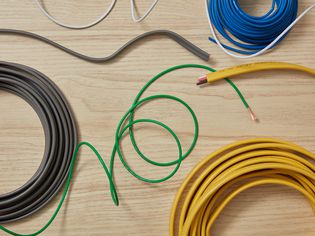
Much of what you need to know for electrical repairs involves how to identify, buy, and install electrical wiring. Here are all the basic elements you need to understand about electrical wiring.
Electrical Wire Sizing
The Spruce / Margot Cavin
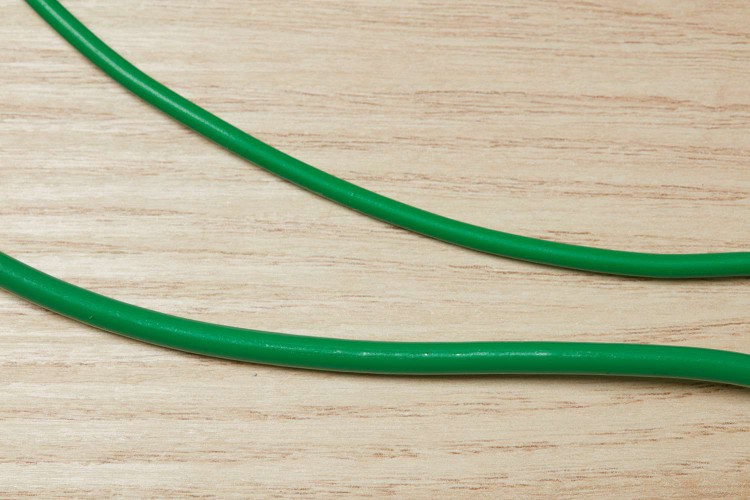
Proper electrical wire size is critical to any electrical wire installation. The American Wire Gauge (AWG) system relates to the wire's current-carrying capacity, or how much amperage it can safely handle. When choosing the right wire, you must consider the gauge, the wire capacity, and its intended use.
| AWG | Max Current (Amps) |
| 6 | 37 |
| 7 | 30 |
| 8 | 24 |
| 9 | 19 |
| 10 | 15 |
| 11 | 12 |
| 12 | 9.3 |
| 13 | 7.4 |
| 14 | 5.9 |
| 15 | 4.7 |
| 16 | 3.7 |
Warning
Wires not properly matched to the amperage of the circuits they serve can create a notable risk of short circuits and fire.
Electrical Wiring Sheathing
The Spruce / Margot Cavin
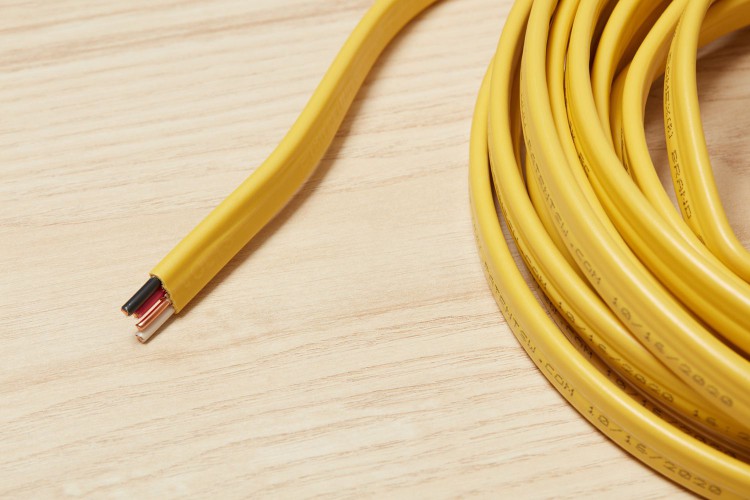
Most interior wiring is done with non-metallic, or NM, cable—sometimes referred to by a popular brand name Romex. NM cable is made of three or more wires wrapped inside a flexible plastic jacket, or sheathing. It is used for most interior circuits, such as those for outlets, switches, light fixtures, and appliances.
The color of the sheathing indicates the gauges of the wires within the sheathing:
- White: 14-gauge wires intended for 15-amp service
- Yellow: 12-gauge wires intended for 20-amp service
- Orange: 10-gauge wires intended for 30 amp service
- Black: Heavier gauge wires for devices that require 40- to 60-amp service
Electrical Wiring Safety Principles
The Spruce / Kevin Norris
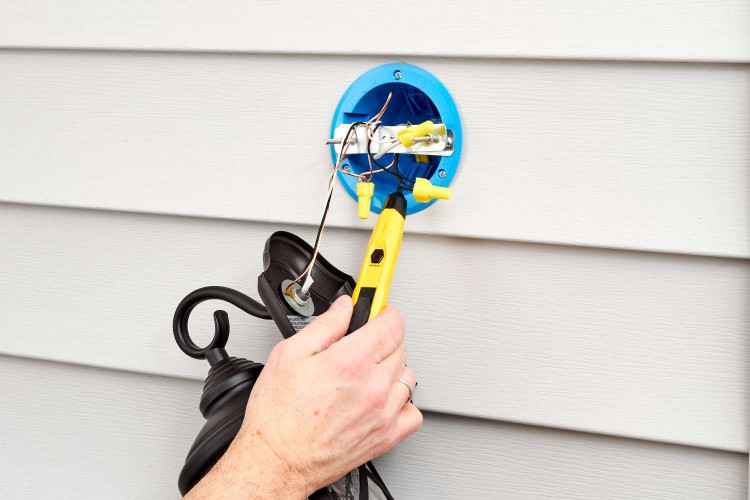
Electrical wiring is safe to work on if you observe four basic principles:
- Work on dead equipment: If the electrical wiring or device is completely dead, it is safe to work on.
- Lock it out: Make sure the wiring or device, or anything upline (such as a circuit breaker), cannot be accidentally turned on.
- Test the equipment: Use a voltage tester or multimeter to test the wire or device before working on it.
- Be qualified or call someone who is: If you're not knowledgeable or feel uncomfortable working on the electrical wiring, call a certified electrician.
Electrical Wiring Color Coding

The Spruce / Margot Cavin
Cable coloring relates to the type of wires inside the cable sheathing and their uses:
- Black and red: Typically are used for current-carrying or hot connections.
- White: Usually, grounded neutral conductors.
- Green and bare copper: Grounding wires.
Electrical Wiring Labels
The Spruce / Margot Cavin
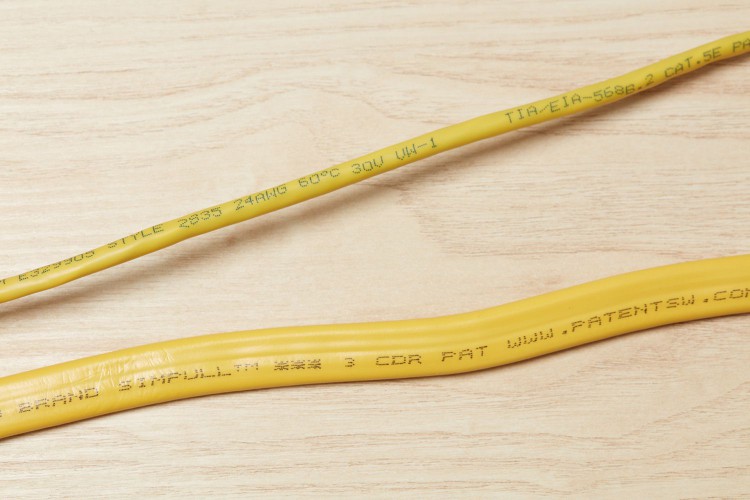
Electrical wires and cables have markings stamped or printed on their insulation or outer sheathing. These markings provide important information about the wiring and insulation, including the wire size and material, the type of insulation, the number of wires contained (inside a cable), and any special ratings or characteristics of the wire.
While looking at the color of wire or cable will help you narrow down the options at the store, reading and understanding the labels on wiring is the best way to ensure you get the properly rated material for your project.
Direct-Burial Cable
The Spruce / Margot Cavin
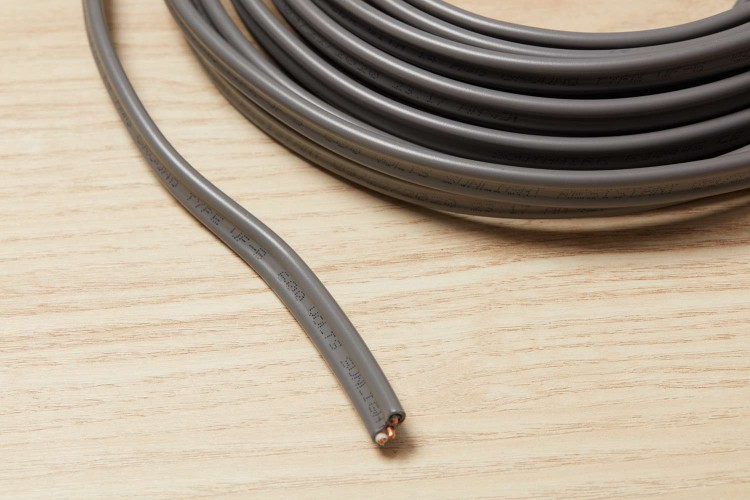
Standard electrical cable is designed to be run indoors, where it stays dry and is protected by wall, ceiling, or floor structures. For outdoor projects or when running wiring underground, you must use direct-burial cable, which can be installed underground with or without conduit (depending on local building code rules). With direct-burial cable, the individual conducting wires are embedded in solid vinyl to fully protect them from moisture.
Electrical Wire Stripping
The Spruce / Margot Cavin
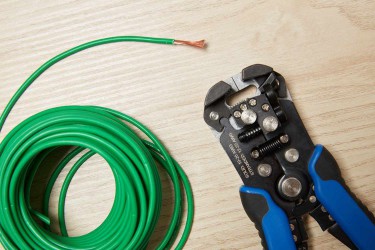
Stripping electrical wire involves removing the plastic insulation surrounding the wire's metal core. It's important to do this carefully so there is no damage to the metal. The procedure is simple but requires a special wire stripping tool and an understanding of how to use it. This is a critical skill—and tool—for DIYers to have for any wiring project.
Electrical Wiring Box Fill Capacity
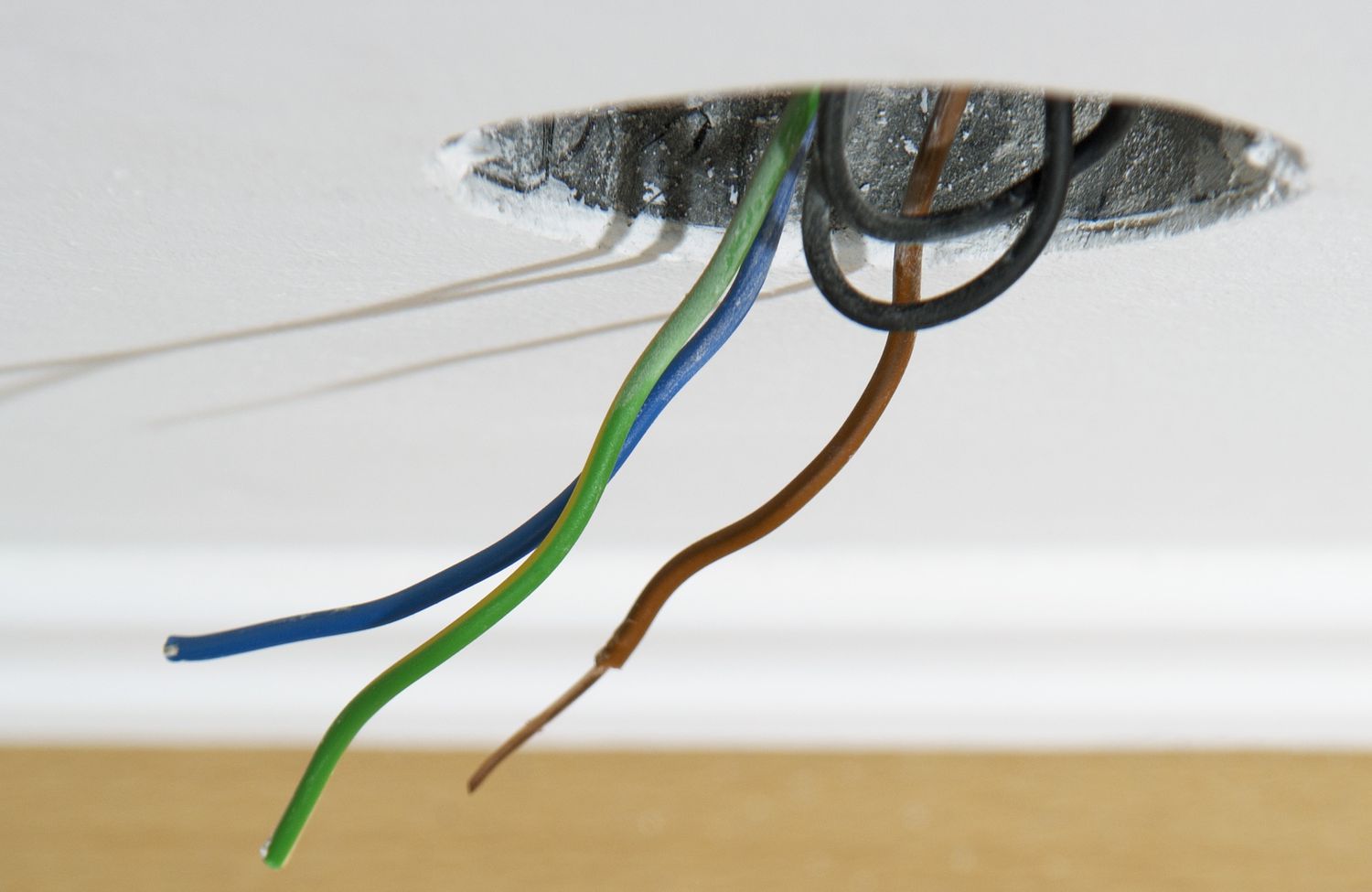
There is a set limit to the number of wires allowed in electrical boxes. Fill capacity is determined by the size of the box, wire gauges, and the number of devices installed on the box. For safety, it is important to remain at or below the fill capacity. One way to determine wiring fill capacity is to find the box's volume (usually printed on the box or product literature) and divide this by the gauge of the wire in the box. For every device installed on the box, subtract two wires.
For example, a junction box with 18 cubic inches of volume can hold up to nine #14 AWG wires. Junction boxes have wires only, no devices. But if the box contains one electrical outlet, you must subtract two wires. The box could then hold up to seven #14 AWG wires (plus the outlet).
| Size of Conductor(AWG) | Free Space Required Within Box for Each Conductor |
| 6 | 5 cubic inches |
| 8 | 3 cubic inches |
| 10 | 2.5 cubic inches |
| 12 | 2.25 cubic inches |
| 14 | 2 cubic inches |
| 16 | 1.75 cubic inches |
| 18 | 1.5 cubic inches |
Electrical Wiring in a Circuit Breaker Panel
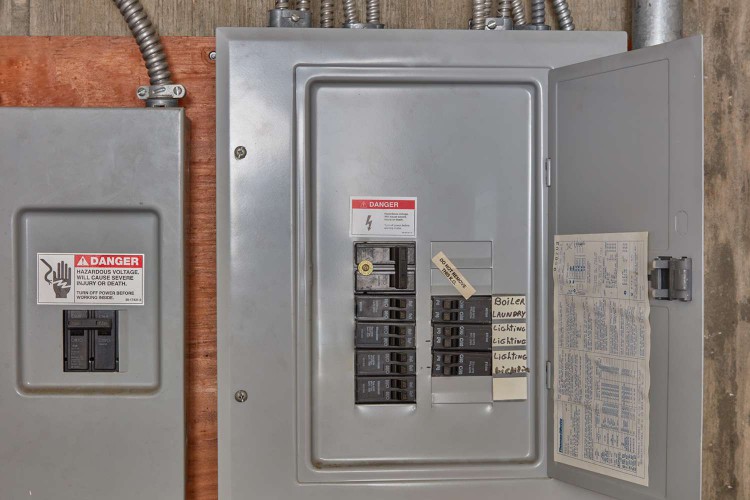
The Spruce / Margot Cavin
The electrical panel, or service panel, is the power distribution point of a home electrical system. This is where all of the individual circuits of the house get their power and where they are protected by breakers or fuses. Wiring an electrical panel is a job for a licensed electrician, but DIYers should have a basic understanding of how a panel works and the critical role that breakers play in any system.
Electrical Disconnect Switches
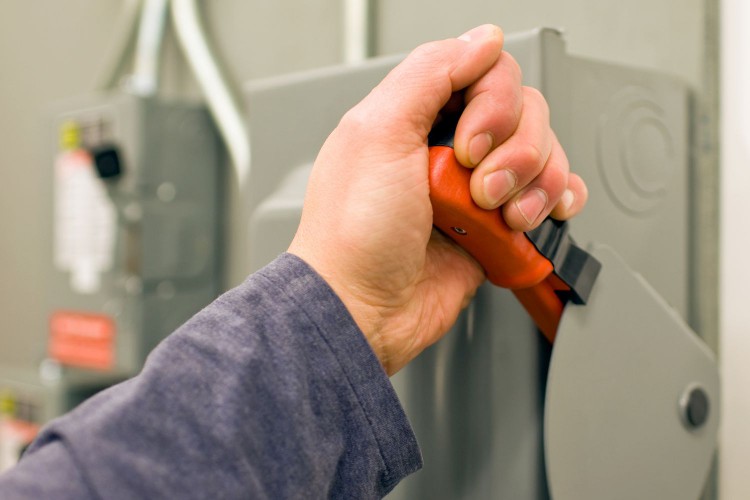
An electrical disconnect switch provides a means to shut off the power to a home's electrical system from an outdoor location. It is typically mounted below the electric meter, either on the side of a home or on the utility company's power pole. This is a service disconnect switch. Not all homes have a dedicated disconnect. A disconnect must be installed by a licensed electrician.
- What are the three main types of electrical wire?
The three main types of electrical wire are live or hot wires (red or black), neutral wires (white), and grounding wires (bare copper or green).
What are the four main rules of basic electrical wiring?The four main rules of electrical wiring are: use the right gauge of wire for the current it will be carrying; never overfill electrical boxes with wire; use the correct type of wire within the electrical cable (such as, a black wire for a live load vs. a white wire for neutral); and always remain safe by working on dead electrical systems.
What are the primary safety precautions when working with electrical wiring?The primary safety precautions when working with electricity are: work on dead wiring and devices, test wires and devices before working on them, lock down system componenents to prevent accidental electrification, and call an electrician for help, if needed.
Recommended Articles
 PAINTING
10 Reasons Why Paint Is Bubbling on Your Walls and How to Fix It Like a Pro Fast
Paint bubbling on the wall can drag down your home’s look, making it look dingy and dirty. While bubbling paint is frustrating on a wall that hasn’t been painted in a while, it’s especially maddening
SKILLS-AND-SPECIALTIESApron Sink vs. Farmhouse Sink: Everything You Need to Know
If you’ve ever shopped for a kitchen sink and considered the farmhouse aesthetic, you’ve probably seen “apron” and “farmhouse” lumped into a single category, combined within the product names, or used
HOME-DESIGN-STYLESIs Midcentury Modern Decor Finally Out of Style in 2025? What Designers Really Think
Midcentury modern design is characterized by clean lines, wood tones, tapered furniture legs, and an overall streamlined look, to name a few common elements. While the aesthetic came about in the mid-
INTERIOR-DECORATING5 Things Designers Wish They Could Say to Their Clients (But Never Will)
Key Points Involve a designer early to ensure smooth planning and a well-executed vision.Set clear priorities and be realistic about budget and draw inspiration from social media.Trust your designer a
ROOM-DESIGN-AND-DECORATINGWe Asked Designers If Kitchen Islands Are Still Worth It — They Said It Depends on One Thing
Key Takeaways Kitchen islands increase functionality by adding more storage, workspace, and entertaining areas.Use painters tape to map out the island area on your floor to see how it affects the flow
ROOM-DESIGN-AND-DECORATING6 Popular Design Choices Designers Would Never Put in Their Own Homes
It's an interior designer's job to stay on top of the latest home trends. But it's not their job to love all of them. We asked three interior designers to dish the dirt on which popular design choices
OUTDOOR-BUILDINGHow to Build a Carport: What You Should Expect
A carport can be a simpler solution for maintaining your vehicle than a garage. For many homeowners, building a carport is the ideal compromise between leaving the car unprotected and the hefty expens
BATHROOM-REMODEL-AND-REPAIR7 Countertops for Bathrooms
Countertops for bathrooms need to be waterproof, easy to clean, affordable, durable, and of course, attractive. A few bathroom countertops hit those marks. Laminate, quartz, solid surface, tile, and s