
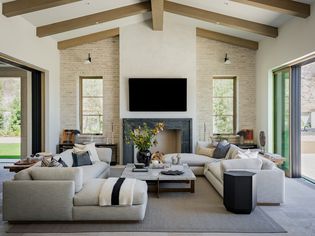
As someone currently in the throes of a historic home renovation, I know firsthand that some details should be saved, protected, and, if necessary, refurbished.
But how do you know which decorative accents are stunning and storied and which are dated and drab? It can be hard to decide, and even harder to picture how these elements might look in your finished home.
With this in mind, we turned to a few experts to ask their opinions on which details are actually worth saving in a reno.
Original Materials
Becca Interiors
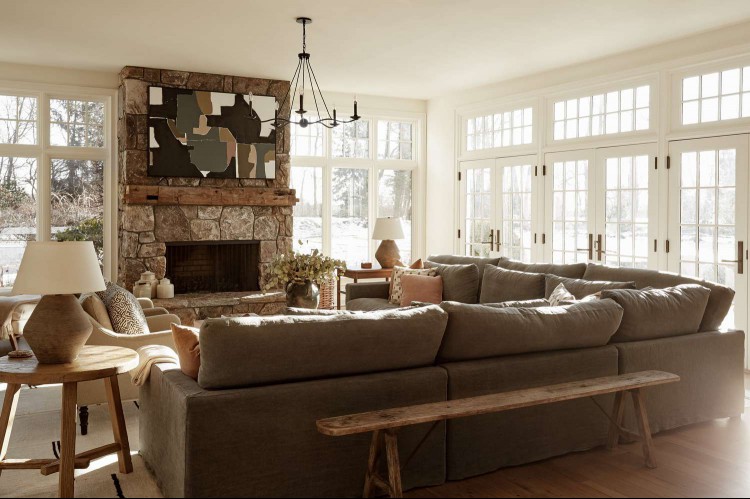
According to brownstone renovation expert Sarah Jefferys of Sarah Jefferys Architecture + Interiors, original materials are often worth salvaging. They hold the home’s natural wear and innate character, which tells a unique part of the home’s story.
“Not to mention, the quality of historic materials is often superior to many current options,” Jefferys says.
These materials include original wood, brick, and marble detailing, which Jefferys says adds charm, vitality, and contrast.
“These materials contribute to the home's historic identity and, with modern advancements, can be maintained to improve energy efficiency,” she says.
Want more design inspiration? Sign up for our free daily newsletter for the latest decor ideas, designer tips, and more!
Decorative Trim, Like Crown Moldings and Baseboards
As Jodi Peterman, the CEO and owner of Elizabeth Erin Designs, points out, decorative trim should always be preserved. Elements like crown moldings and baseboards will only highlight your home’s historic craftsmanship.
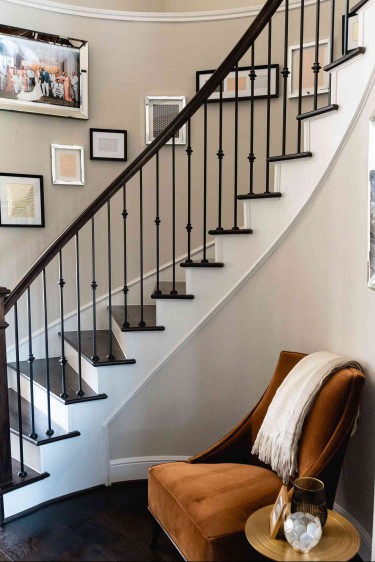
Similarly, Peterman says original staircases can have the same effect because of their detailing.
“The original staircase should be kept, including railings, newel posts, and handrails, often showcasing intricate woodwork,” she says.
Stained Glass Windows
If your home comes with stained glass windows, James Marino, the CEO of Pinnacle Home Improvements, says these are something worth saving.
“These are works of art and tell a story,” Marino says. “Restoring them is worth the investment for the character they add.”
Architectural Features
LA Designer Affair
If your home has archways, decorative plasterwork, marble mantles, old wooden beams, or exposed brick walls, Jefferys says these are all beautiful elements not only worth keeping—they’re worth celebrating and highlighting.
“These features add rich texture to a space, and juxtaposed with modern designs, create additional soul, warmth, and charm,” Jefferys says.
Built-In Shelving and Cabinets
While a fresh design might call for scrapping existing built-ins, Marino suggests thinking carefully. Often, these can be refinished or repainted.
“They’re functional and maintain the historical integrity of your home,” he says.
In refinishing, Marino also advises taking a look at any unique architectural details or features within the shelves and preserving their integrity, too.
“When updating, use materials that would have been available when the house was built to keep updates from feeling out of place,” he says.
Fireplace Surrounds
Ashley Montgomery Design
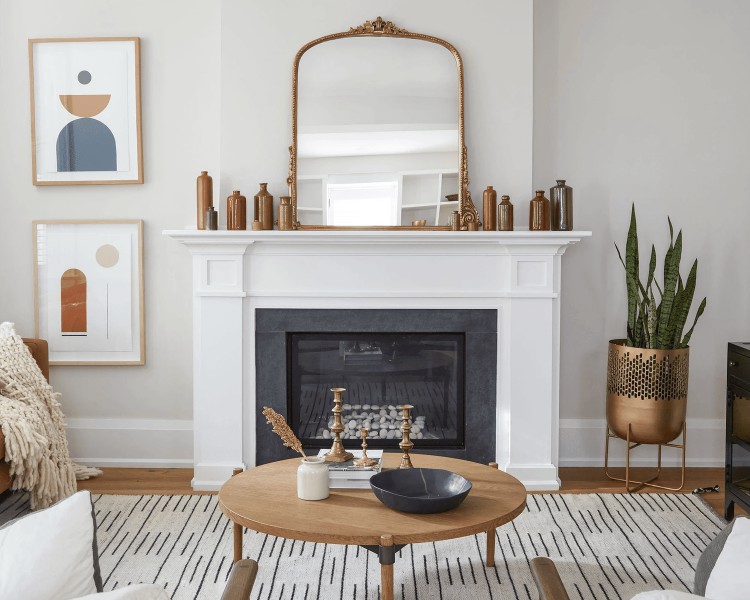
While Jefferys singles out marble mantles, Peterman suggests keeping any ornate fireplace surrounds, as they serve as stunning focal points in historic homes. Original chimneys can also be restored for aesthetic purposes even if they are no longer functional, she says.
Original Windows
While you might think your historic windows definitely need to be replaced, Jefferys suggests doing this with care and consideration. Original windows can be particularly indicative of a period or place, she says.
To keep this element, Jefferys says to look at preserving the unique shapes and styles and then replacing the glass.
You can replace the glass with double-pane, low-E argon windows, or even better, triple-pane glass, Jefferys notes, who notes these options help with both energy savings and reduced costs.
“With these upgrades, you can keep the historic charm with the benefits of modern advancements,” she says.
Flooring
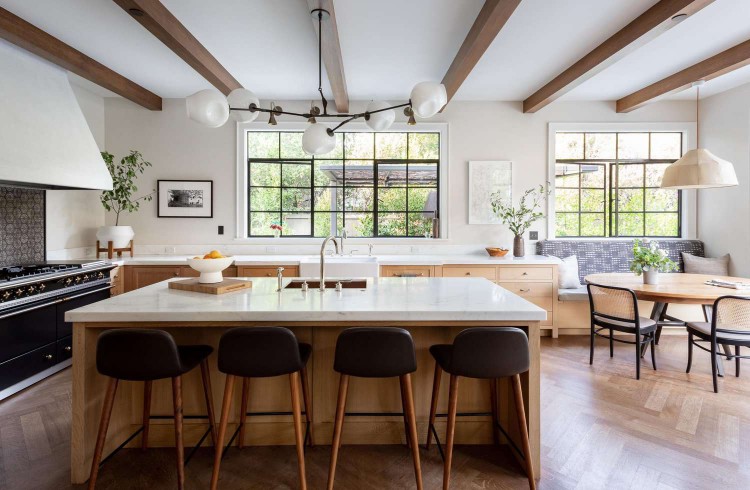
Erin Williamson Design
Sometimes, original floors are unsalvageable—but if there’s a chance at keeping them, Peterman says you absolutely should.
“I have seen contractors tear into beautiful, loved, and used wood flooring and toss it into the dumpster,” she says.
Even if flooring can’t function as its original purpose, Peterman says it should never be tossed. She loves to reuse floors unexpectedly, like on the ceiling of a powder room, to create an accent wall or wainscotting.
Exterior Elements
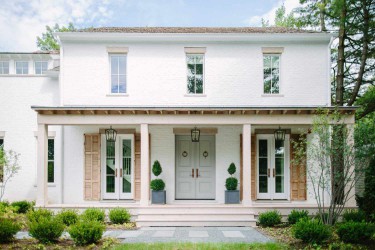
Kate Marker Interiors
While your focus might stay sharpened on your interiors, Niki O'Brien of Custom Exteriors says historic homes often have exterior details that are worth preserving, too.
She specifically suggests looking at cornices, along porch railings, and sometimes surrounding windows and doors.
“You can't replace or replicate them—they add great character to your home,” O’Brien says. “Those details are part of the first impression your home makes.”
Instead, O’Brien says you can update these elements with intricate painting, and highlight them rather than demolish or hide them.
Recommended Articles
5 Things In Your Home You Should Never Paint, According to Designers
DIY projects are a budget-friendly and fun way to change the look of your home and furniture. If you are looking to repurpose an old, worn-out dresser into a new treasure in no time and want to take o
How to Make a Tiny Rental Bathroom Feel Huge, According to Designers
When your bathroom is on the teeny side, it can feel impossible—or impractical—to intentionally design it. You might be thanking your lucky stars that a toilet, sink, and (maybe) a shower can even fit

The Complete Guide to Modern Architecture
Modern architecture, emerging in the 1930s and thriving through the 1970s, revolutionized building design by focusing on functionality and human living rather than ornamental beauty. As industrializat
Determining Spans and Spacing for Wall Shelves
There are two important considerations when installing wall shelves: first, making sure the material used for the shelves has an appropriate span capacity; and second, considering the vertical spacing
Attic Venting: What to Know and How to Improve It
Attic ventilation may not seem as important as some of the more glamorous aspects of home improvement, like installing new hardwood or renovating the bathroom, but that doesn't mean that it's not impo
Laminate Flooring Review: Pros and Cons
Laminate flooring emerged on the residential flooring scene decades ago as an easy-to-install, attractive, and durable alternative to solid hardwood flooring. Its technology has advanced with sharper
10 No-Demo Renovation Projects That Increase Your Home Value, According to Zillow
There are many ways to upgrade your home, whether refurnishing your basement or simply changing the lighting in your kitchen. But if you're lost on which ones to invest in, look no further. Zillow and
5 Great Budget-Friendly Bathroom Flooring Options
Bathrooms are typically smaller rooms than most other spaces, and thus the choice of flooring material can have less budget impact than it does for more spacious rooms. For example, 70 square feet of