
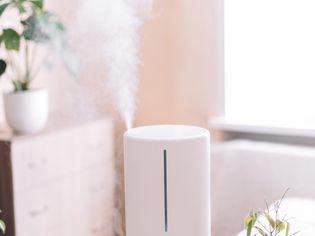
If your home's dry air is starting to take a toll, a good humidifier can turn things around pretty quickly. But during the coldest season, you might be wondering where the best spot is for your humidifier in winter, and if you should be using one at all.
To understand the dos and don'ts of winter humidifier use and the best position for your handy appliance, we spoke with an expert for the best advice. Here's what they had to say about where to place your humidifier, plus a few tips on getting the settings just right.
Meet the Expert
- Aaron Lipman is the owner of Two Brothers Foundation Repair and a home expert with over 20 years of experience.
- Asif Bux is the owner and service manager at Comfort Union, an HVAC service company based in Canada.
Where to Put a Humidifier in Winter
As a general rule of thumb, home expert Aaron Lipman says to keep it away from vents and at least three feet from your bed.
"The airflow from vents can disrupt the mist and reduce its effectiveness," he says, and having it too close to your bed can lead to "over-exposure to moisture, which could irritate breathing during sleep."
The goal of running a humidifier is balancing the ideal conditions for your home with the ideal conditions for feeling comfortable yourself, so it depends on what room you'd like it in.
Asif Bux, owner of Comfort Union HVAC service company, adds that you should also keep portable humidifiers away from windows, since the humidity can condense on cold surfaces or get blown away unevenly by airflow.
If you have wooden floors or antique wooden furniture, a humidifier can help with shrinkage and cracking that gets exacerbated by dry air, but Lipman says you'll want to have a tray or waterproof mat beneath it. This will stop any warping and keep spills or condensation from causing other forms of damage.
Want more cleaning and organizing tips? Sign up for our free daily newsletter for the latest hacks, expert advice, and more!
What Humidifier Settings Should You Use?

Carol Yepes / Getty Images
The ideal percentage range for a humidifier in winter is between 30% and 50%. Much of it will depend on the climate where you live, the kind of home or apartment you have, and what your needs are.
Lower than this and you might damage wood features and structures like beams and harm drywall, Lipman says. Bux also adds that you'll be more likely to notice the dry air and there will be more static electricity, too.
A higher percentage can lead to mold and mildew. Both experts recommend having a hygrometer to help you keep an eye on levels. A built-in humidifier, however, is capable of managing humidity levels on its own.
Should You Run a Humidifier During Winter?
Yes, a humidifier can be a super useful tool to make your home (and sinuses) more comfortable and keep the interiors damage-free during winter.
"Running a humidifier can alleviate these issues and make your home feel warmer, even at slightly lower temperatures—helping you save on energy bills," says Bux.
Lipman agrees that a humidifier is extremely helpful, but notes that it should be approached with caution, too.
"Over-humidification can cause condensation on windows, seepage into walls, and invite mold growth," he says.
Keeping a watchful eye and ensuring you have the right settings is key for a seamless experience.
Other Tips for Running Your Humidifier
Now that you're aware of the best settings and placement for your humidifier, here are a few other pointers for keeping your humidifier running smoothly and boosting your air quality throughout winter:
- Think about the room. If you're shopping for a new humidifier, think about the size of the room it'll be in as you'll want to buy a humidifier with the right capacity.
- Clean it regularly. Lipman notes it's important to regularly clean your humidifier to cut down on bacteria buildup. Aim to do so every week.
- Maintain cleanliness. Bux says you should use distilled or filtered water in portable humidifiers "to reduce mineral buildup and white dust."
- Consider other air gadgets. Think about getting an air purifier for your home to work in tandem with a humidifier; these can clear out bacteria, viruses, mold, and dust, which often feel more prevalent during winter.
- Anticipate maintenance on whole-house humidifiers. If you have a whole-home humidifier, Bux recommends scheduling in annual maintenance with your technician to ensure everything is working properly. It's best to do so before the times of year when you'll need it most.
Recommended Articles
How to Whitewash a Stone Fireplace for an Easy DIY Makeover
Want a fresh look for your stone fireplace without the expense of hiring a mason? A coat or two of whitewash can do the trick. While regular white paint—or any color, for that matter—would also work,

Is Your Dishwasher Not Turning On? 11 Ways to Fix It ASAP
Your dishwasher not turning on after you load it with filthy dishes is a major inconvenience. But wait —before you resort to unloading it and handwashing your dishes, try these troubleshooting methods

Turn Rugs Into Artwork
Have an heirloom rug that you want to display, but don’t want to wear out? Maybe you picked up a pretty rug on your travels, but don’t want to replace the rug you already have. Or, perhaps you just th

6 Things That Are Secretly Making Your Countertops Look Bad, According to Design Pros
Key Points Store small appliances, spices, and paper towels off the counter to reduce visual clutter.Keep junk mail and schoolwork in drawers or wall organizers, not on your kitchen surface.Use hooks

What Not to Fix When Selling a House: 10 Tips Pros Want You to Know
Knowing what not to fix when selling a house is as important as knowing what to fix. Large appliances are too expensive to fix or replace, while other items, like window treatments or smart home techn
Electrical Code Requirements by Room
The National Electrical Code (or NEC) is a document put in place to protect homeowners and residents from the dangers and risks posed by working with electrical connections. These residential electric
Corian Solid Surface vs. Granite Countertop Comparison Guide
Choosing a kitchen countertop is an important choice since so much money is involved and because this is a purchase that you will be looking at every day for many years. Choosing a countertop is as mu

Solid Glass Backsplash Ideas
Glass sheet backsplashes are a practical and sleek choice for a bathroom or kitchen backsplash, and they offer all the protection you need from a backsplash—guarding the wall from water, grease, and m