
Key Points
- Smart kitchen appliances offer convenience—like remote preheating—but invest in features you’ll use.
- Skip flashy extras and prioritize tools like auto-sensing cycles and maintenance alerts for best value.
- Smart appliances are here to stay; as they evolve with energy-saving tech, Wi-Fi, and compatibility are key.
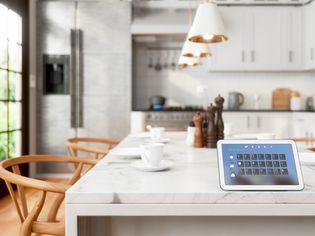
Smart kitchen appliances have been all the rage in the past few years, becoming an integral part of more and more homes as time goes on. Whether it be a dishwasher with auto-sensing technology or a smart fridge that you can watch YouTube videos on—smart appliances are everywhere, and they're only getting smarter.
But are these high-tech gadgets actually worth the investment? Or will they fade over time? We asked an appliance pro and they're not holding back.
Meet the Expert
Shirley Hood is an appliance expert at Abt Electronics.
An Investment You Might Consider Making Soon
Shirley Hood, an appliance expert at Abt Electronics, doesn't consider smart appliances essential for every kitchen remodel, but she does see a major uptick in consumers buying them. The convenience and peace of mind that smart appliances bring means they're not going anywhere—so if you don't already have a smart appliance in your kitchen, you may end up getting one eventually.
"Once you start utilizing features like preheating your oven from your phone or getting alerts when the fridge door is left open, it’s hard to imagine not having them," Hood says.
And while prices of appliances have come down, Hood shares that smart models still tend to cost more—so be sure the convenience and functionality are actually worth the investment. In the end, it’s about finding what fits your lifestyle, not just what’s new and trendy.
Want more design inspiration? Sign up for our free daily newsletter for the latest decor ideas, designer tips, and more!
Not Every Smart Feature Is Actually Worth It
Westend61 / Getty Images
In a world where smart features can vary across the board, it might be hard to decide what you might actually need and use versus what just sounds nice to have.
To Hood, you really don't need every shiny new feature on the market—just focus on practical ones that work silently in the background to make life easier.
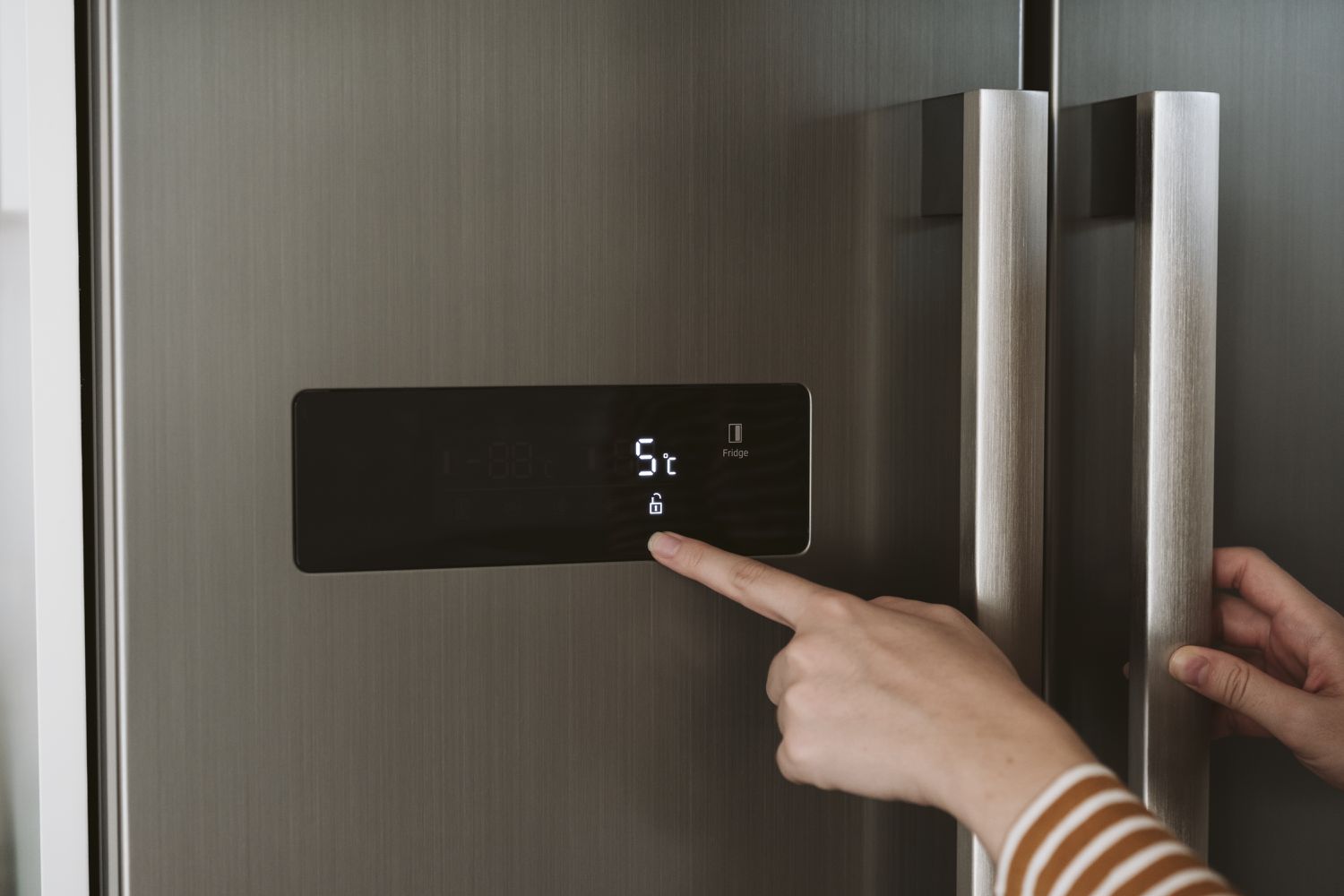
"Smart features like fridge door alerts, auto-sensing dishwasher cycles, leak detection, and maintenance notifications offer real everyday value," Hood says. "Flashier features, like recipe suggestions on a fridge screen, sound great, but don’t get utilized as much as they probably should."
Before switching to smart appliances, consider whether you’ll actually use the features. Smart appliances might be the right fit for your tech-savvy household—but if you're looking to unplug more often, these upgrades might not be worth it.
Hood also reminds us to keep compatibility and other factors in mind when adding smart appliances to our homes.
"Choosing models from the same brand can simplify setup and let you control everything with a single app," Hood says. "But keep in mind that smart appliances still need a strong Wi-Fi connection and occasional software updates."
The Future of Smart Appliances
Since smart kitchen appliances have been available for years now, it's safe to say that they're not going anywhere and they're only getting smarter.
With more consumers adding a smart appliance to their home, and more manufacturers getting involved in the market, these luxury products are on the fast track to becoming household staples in a matter of years.
"Smart appliances are not going away," Hood says."Not every feature will stay relevant, but the core benefits like energy efficiency, remote control, and preventative maintenance will always be around in some form."
The future of smart kitchens centers on predicting the needs of the user, staying connected, and remaining sustainable—so we'll just have to see what comes next.
Recommended Articles
This Type of Window Can Bring More Natural Light to Your Space—What to Know
If you're looking to upgrade your space by installing new windows and are craving an influx of natural light, clerestory windows are an excellent option to consider. Below, we're sharing information o
If You're Still Doing This in Your Kitchen, Designers Say It Will Always Look Cluttered
Key Points Keep counters clear by only displaying essential appliances for a clean, minimalist look.Use smart storage like appliance garages, hidden outlets, and bar carts to reduce clutter.Declutter
6 Kitchen Finishes Designers Recommend If You’re Tired of Stainless Steel
Key Points Pros suggest finishes like matte black, glass, or enamel to add personality and warmth.Matte black hides smudges, glass makes small kitchens feel bigger, and enamel brings vintage charm.Peo
Satin vs. Brushed Nickel: Which Finish Is Actually Right for You?
When comparing similar metallic finishes like satin nickel vs brushed nickel, learning the subtle differences before purchasing can make or break your home's aesthetic. Beyond appearance, learning the

4 Budget-Friendly Tips to Know Before Renovating Your Home, According to Home Experts
This story is a part of our Old House New Issue, where we explore why people are no longer moving in 2024, and how to renovate your current home to make it work for you. To learn more about where to s
Cork Flooring Pros and Cons
Cork flooring's natural insect repellency, insulative qualities, and soft underfoot feel make it a great option throughout the home. It's also an eco-friendly choice. However, it isn't as durable as o

The Best Temperature to Pour Concrete
Whether you are looking to put in a new basketball net for the kids or install a workshop in the backyard, concrete is an important part of the process. However, concrete doesn't immediately become ha

Can You Build on a Property or Utility Easement?
Easements can exist quietly on your property, not affecting you for years or decades. Then, when deciding to bump out your house, put on an addition, dig a pool, or erect a fence, you find a legal eas