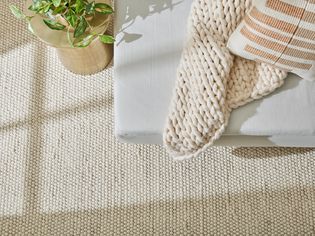
Carpeting adds cushion, warms up a room in the winter, and offers a safe and comfortable spot for children to play. Of the many types of carpeting, Berber carpet is one of the most popular options because it's a versatile style that fits into just about any decor. Learn the pros and cons of Berber carpet, including its cost, durability, and the best brands to look for when buying new carpet.
What Is Berber Carpet?
Berber carpet is a closed-loop style of carpeting that is typically associated with overall light colors with flecks of darker colors (usually brown or gray) and woven with a distinctive loop pile that attaches to the backing and remains uncut. It's inspired by the weaving style of the Berber people of North Africa. Today, Berber carpet can be flecked, multi-colored, or solid-colored.
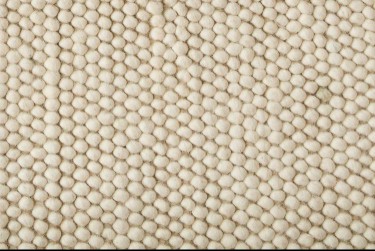
The Spruce / Jason Donnelly
Pros and Cons of Berber Carpet
Pros
- Berber carpet is relatively low in cost.
- Berber carpet is fairly easy to clean spills and stains. Because of the looped construction, spills tend to sit on the carpet's surface and do not quickly sink into the fiber.
- Flecked and multi-colored Berber hides soiling and stains.
Cons
- Berber can snag and unravel because of its loop construction. Dragging furniture across the carpet could be a culprit in causing a snag.
- Berber's loops can become crushed under constant foot traffic; when the loops are flattened, the carpet tends to look dirty.
- Berber is not as soft on your feet as a cut-pile carpet. Some Berbers, especially those made from olefin, can even feel rough underfoot.
Cost
Including installation, Berber carpet typically costs on average $1,600 per room or about $6 to $10 per square foot and wool Berbers can cost double that. Berber is made from olefin, nylon, polyester, triexta, or wool and wool blends.
Berber has become increasingly popular because it is considered less expensive than other residential carpet styles. For example, including installation, it can cost an average of $1,777 per room to install other types of regular synthetic carpeting.
Berbers are, however, less expensive to manufacture compared to their cut-pile counterparts. All carpets begin as looped styles, but the extra step to make cut piles, such as saxonies and friezes, means the top of the loops are sheared off, which costs money, but Berbers are not cut.
Durability and Lifespan
Berber carpet can typically last 10 to 15 years, depending on the fiber and how it is cleaned and maintained. Berbers made from nylon fibers may last longer than Berbers made from other fibers. If you deep clean your Berber carpet once or twice a year, you can also extend its lifespan. Padding is also a factor in a Berber carpet's lifespan; Berber carpets fare best with dense, flat, high-quality padding.
Care and Maintenance
Vacuum a Berber carpet as you would any other carpet—once a week or more if it is in a high-traffic area. Deep clean it once or twice a year to keep the carpet fresh.
Do not use the beater bar when vacuuming Berber carpets. Your vacuum will likely have the option to replace the vacuum head or simply turn off the beater bar or power head when you vacuum on a Berber carpet. If there is already a snag in the carpet, the power head or beater bar could easily get hold of the loose strand and wrap it around the rotating bar, causing it to unravel.
If you have a pet, it's highly improbable its claws will become snagged in a loop. However, cats may find the texture of a Berber appealing for sharpening their claws. If you have a cat, you may need to present alternative scratching opportunities to your pet so your Berber can remain undamaged.
Best Berber Carpet Brands
- Mohawk Flooring: This brand offers stain-resistant carpets and soft-fiber options, such as the Mohawk SmartStrand collection, which offers a more comfortable and soft feel underfoot. Mohawk Berber carpets typically range from $2 to $5 per square foot.
- TrafficMaster: This brand offers Berbers in olefin fiber. TrafficMaster's Berber carpets typically start at $1.64 per square foot installed.
- Stainmaster: Stainmaster's Berber carpet prices vary but it offers a vast choice of colors and patterns. Stainmaster's Berber carpets all feature a proprietary polymer nylon fiber that resists stains.
- Shaw Floors: Some of Shaw Floor's lower-cost Berber carpet prices vary between $2.59 to $2.79 per square foot but the company has a small, solid collection of basic Berbers made of mixed olefin and nylon fibers.
Where to Install Berber Carpet
It's popular to choose a Berber carpet for spaces like the living room and bedroom. However, Berber carpets may be more suited for the living room while softer fiber options and cut pile may be best for the bedroom. For more formal living rooms, opt for a solid color to reduce the casual feel that a multi-colored Berber can have.
Berber can be used on stairs and around railing posts. When it's properly installed you will not be able to see the carpet backing between the bent rows of loops. Just be sure to choose the appropriate quality of carpet for the amount of traffic it will receive.
- What makes Berber carpet unique?
Berber carpet has a unique tight weave, it hides stains well, and it's affordable.
Is Berber carpet still in style?Berber carpet is still in style thanks to its timeless, streamlined appearance, and more modern fleck patterns and colorations.
Recommended Articles
 PAINTING
Paint Calculator: How Much Paint Do I Need?
This paint coverage calculator makes calculating the amount of paint you'll need for your project nearly automatic. Your role in the process involves just a few elements: Measure the height and width
HOME-DESIGN-STYLESThe Complete Guide to Modern Architecture
Modern architecture, emerging in the 1930s and thriving through the 1970s, revolutionized building design by focusing on functionality and human living rather than ornamental beauty. As industrializat
INTERIOR-REMODEL-AND-REPAIR5 Small Home Upgrades Under $5,000 That Make a Huge Impact, Designers Say
Changing your lighting can be an affordable way to bring impact to a room. Layer various types or swap out dated styles.If you're looking for a budget-friendly and quick update, consider painting your
HOME-IMPROVEMENTBuilding Your Own House: A Step-by-Step Guide
Building a house has an undeniable allure. A new house can be designed exactly how you picture it, allowing you to take control of the building process. You can even save money by avoiding any unfores
OUTDOOR-BUILDING15 Free Beehive Plans
Whether you're just getting started with beekeeping, or if you've already got established colonies, you may decide that building a beehive is for you. These beehive plans are a fairly straightforward
BATHROOM-REMODEL-AND-REPAIRThe Best 5x8 Bathroom Layouts to Save Space
While 5 by 8 feet may seem like a small size for a well-designed bathroom layout, it's actually the most common floor plan that can still encompass a sink, a shower and tub, and a toilet. That said, t
KITCHEN-REMODEL-AND-REPAIR8 Ways to Update Oak Kitchen Cabinets Without Breaking the Bank
Modernizing dated oak cabinets doesn't require replacing them. You can upgrade your space on a budget with a simple DIY refresh—from swapping out hardware to a coat of paint, a new stain, or altering
KITCHEN-REMODEL-AND-REPAIRIs This the Year You Switch to an Induction Cooktop? Here’s What You Should Know
Induction cooktops look nearly identical to standard smooth-top ranges but there's much more to them than meets the eye. Functionally, there's a big difference between induction cooktops and ordinary