
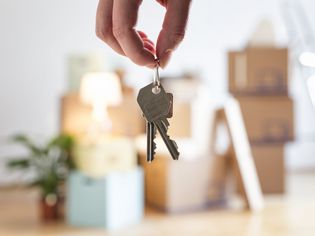
This story is part of Home School, our complete guide to making your first home your own, where we share our first-hand and expert advice on everything you need to know to make your first home your best home. To learn more tips for settling into a new space, check out our full guide here.

The Spruce / Grace Canaan
Moving into your first home or rental can be an extremely daunting task, especially if you have no prior knowledge of the ins and outs of the lease signing process.
When I moved out of my childhood home, it was a much more complicated process than I imagined—starting from the apartment hunt itself. I wasn't nearly as prepared for all the ins and outs of finding the perfect rental, so I made some mistakes and learned along the way.
A recent survey by Streeteasy found that the average upfront cost to move into a rental was $10,454 in 2023, up 29% from 2019.
With moving being such a significant investment—even for just short-term rentals—it’s important to know what you’re getting into and make sure signing your lease is as simple as possible, and that means making sure everything in your lease makes sense for you before you pay up.
We spoke with some rental experts about the top things to keep in mind before signing your lease.
Meet the Expert
- Casey Roberts is StreetEasy's Consumer Trends Expert.
- Emily McDonald is the Rental Trends Expert at Zillow.
Upfront Costs
Casey Roberts, StreetEasy Consumer Trends Expert, believes the very first thing you should do is make sure the upfront costs of moving are within your budget.
“It’s common across the country that you’ll pay first month’s rent and a security deposit upfront at the time of your lease signing, but depending on where you’re renting, you may be responsible for other fees too," she says.
Additional fees can include a broker’s fee, which can range anywhere from a full month’s rent to 15% of the annual rent.
Sometimes, brokers themselves are not clear about the full amount of their fee upfront, and there can be even more fees added on when moving.
“Depending on where you’re renting, you might also be required to pay last month’s rent, a move-in fee, a pet deposit, or an amenity fee,” Roberts says. “It’s a good idea to ask what you’ll need to pay upfront before you even visit the rental so that you know if it’s within your budget and can apply quickly after touring the apartment if you love it.”
Hunting for your next home can be very competitive, so getting all this information from the beginning can help you secure your next space quickly.
Renter’s Insurance
Renter’s insurance is something I wasn’t aware of before receiving my first lease earlier this summer, and I’m not the only soon-to-be renter in this boat. Emily McDonald, Zillow Rental Trends Expert, says this is one of the first things you should double-check before signing your lease.
"You’d be surprised how many landlords make it a requirement, but half of renters report not having a plan,” McDonald says.
Thankfully, finding renter’s insurance is as easy as can be.
“Just remember, some landlords have specific coverage amounts they want their tenants to have, so take a look at your lease to understand their requirements before you start shopping around for an insurance plan," McDonald says.
The Condition of Your New Home
I, thankfully, learned from the experience of many TikTokers that keeping track of the condition of your new home prior to moving in is so important for saving yourself headaches when you’re moving out.
When I finally decided on my apartment, I asked my broker to do another walkthrough before I signed the lease so I could take a detailed video of any existing imperfections in the space. That way, I have a safety net of proof when I decide to move.
“It might not be clearly written in the lease, but documenting the apartment’s condition can save you a lot of headaches when getting your security deposit back,” McDonald says. ” As you tour, note any damages and snap photos. This way, when you move out, both you and your landlord are clear on the property's condition.”
Documenting even the smallest details such as loose handles on your cabinet or working appliances can be beneficial. This small bit of effort at the start of your lease can ensure you get your deposit back without hassle in the end.
Building-Specific Policies
Ultimately, this is your landlord’s property and they can set whatever rules they want for the space. Roberts recommends double-checking any of your building’s policies to prevent you from any unexpected headaches, especially if you have to move out suddenly.
"It’s good to have an understanding of what your options are for subletting or breaking your lease early, and possibly try to negotiate that language into your lease if it’s not already included,” she says.
Other good policies to check are your landlord’s utility requirements, such as the utilities they’ll be paying for, your building’s smoking rules, any decorating rules, rules for using common or private outdoor spaces, and rules regarding trash and recycling disposal.
Keeping this in mind can prevent you from having to pay a fine for not following these rules.
Moving can be daunting, but it doesn’t have to be. Being diligent and double-checking (or even triple-checking) your lease will save you plenty of headaches in the long run.
Never be afraid to ask questions about things you need clarity on, or even ask if some things can be amended—in the end, this will be your home for the foreseeable future and the terms should always be something you’re comfortable with.
Recommended Articles

What Are Colonial-Revival Style Homes?
Colonial-Revival style homes are a significant part of American architectural history. Emerging from Colonial architecture, they became most popular in the 1940s but started declining in popularity po

How Much Does a Home Addition Cost?
Building a home addition is the ultimate way to add large amounts of fully usable space to your home and enhance its resale value. The average cost to build a home addition is $50,000; typically, cost
The Easiest Way to Remove Every Type of Blinds Without Damaging Your Window Frame
Removing blinds can be tricky. Whether you're removing them to replace them with new window treatments or to paint the window frame, you'll want to do so without damaging the window frame. The trick t
Building Your Own House: A Step-by-Step Guide
Building a house has an undeniable allure. A new house can be designed exactly how you picture it, allowing you to take control of the building process. You can even save money by avoiding any unfores
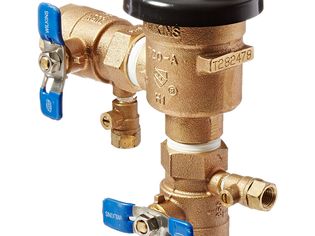
Pressure Vacuum Breaker Basics
A pressure vacuum breaker (PVB) is a safety component of irrigation systems. It stops non-potable irrigation system water from flowing back to your home's drinking water supply. Learn why a pressure v
How Much Do Sunroom Additions Cost?
Adding a sunroom to your home is a great way to increase the amount of sheltered space you have to roam, especially for those in colder climates, when snowy weather forces you to spend more time indoo
How to Choose a Bathroom Exhaust Fan
Bathroom exhaust fans are required by the NEC (National Electrical Code) and local building codes for any bathroom that doesn't have a window that can be opened to provide ventilation. In some jurisdi
Is Your Dishwasher Not Turning On? 11 Ways to Fix It ASAP
Your dishwasher not turning on after you load it with filthy dishes is a major inconvenience. But wait —before you resort to unloading it and handwashing your dishes, try these troubleshooting methods