
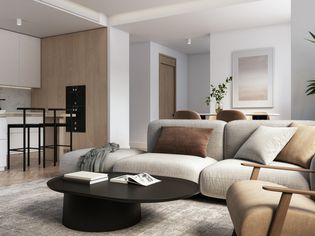
Whether you're moving into your first apartment or your fifth, it's always helpful to brush up on what types of decorating mistakes you will want to be sure to avoid.
We spoke with four interior designers who cited six of the main issues that they come across when working with apartment-dwelling clients. Take note of what not to do so that you can then decorate your place to the fullest.
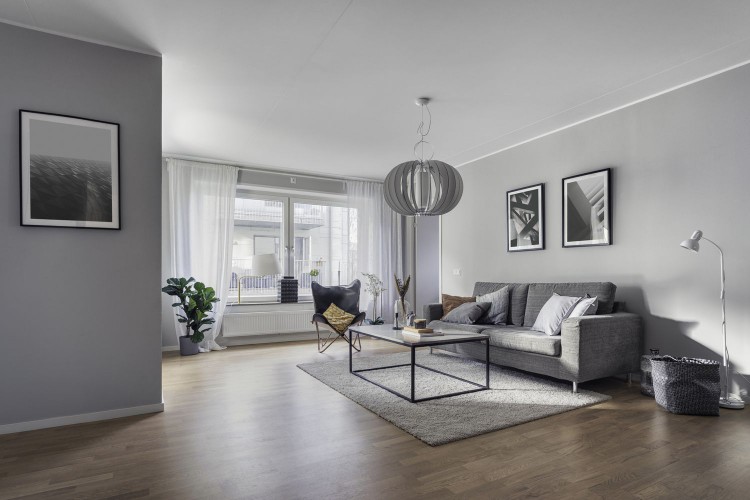
Purchasing a Rug That's Too Small
Just because your apartment is somewhat compact doesn't mean you should order a small-sized rug that sits awkwardly in the middle of the room, Danielle DiBernardo, the founder of Danielle Interiors, says.
A good rule of thumb to remember is to make sure the front legs of your furniture rest on top of the rug, DiBernardo says.
Marcus Lindstrom / Getty Images
Want more design inspiration? Sign up for our free daily newsletter for the latest decor ideas, designer tips, and more!
Ordering Furniture That's Too Large
When it comes to furniture pieces, you do want to plan to size down. Keep in mind that a piece like a traditional 82-inch console may appear extremely large in an apartment living room, for example, and a full three-seater sofa may be out of the question.
"Oftentimes, people try to transfer their larger pieces from their previous home and find that the furniture just looks squished," Jill Wheeler, the founder of Birch Hill Interiors, explains.
Therefore, adequate planning ahead of time is key so that you don't load items that you won't need into the moving truck. Danielle Domingues, the founder of Collins & Co Interiors, uses a top-down space plan to better understand how to fit everything in a space when she works with clients.
"A 60-inch round table and a 48-inch round may not sound to be that different, but will make a huge difference in the feel and flow of an apartment," Domingues says.
Skimping on Lighting
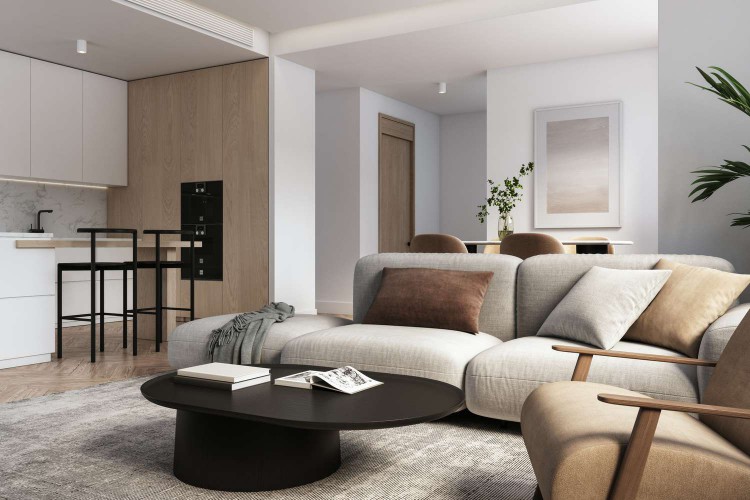
Unfortunately, DiBernardo says, apartments aren't known for having the best lighting. This means that you will want to go above and beyond by weaving in multiple light sources into your space. DiBernardo recommends adding plenty of decorative light fixtures like table lamps, floor lamps, and sconces, so you won't need to rely on harsh overhead lighting.
Lamps are a great way to express your style, so have fun choosing shades and bases that reflect your personal aesthetic.
CreativaStudio / Getty Images
Not Asking About Possible Upgrades
Michael Graham-Smith, the founder of Graham-Smith Designs, encourages apartment dwellers to develop a clear sense of what types of renter-friendly decorative changes they can and cannot make upon moving into their new home.
It'll be important to understand if your lease allows you to paint or add elements like removable wallpaper since it could completely transform how your home feels, Graham-Smith says.
Unable to make these types of alternations? By no means is all hope lost. Graham-Smith suggests opting for curtains and rugs which will help elevate a space without the need to repaint it at the end of the lease.
Better yet, you can aim to sell them or bring them with you to your next place at the end of your rental term in order to truly get your money's worth.
Hesitating to Add Color
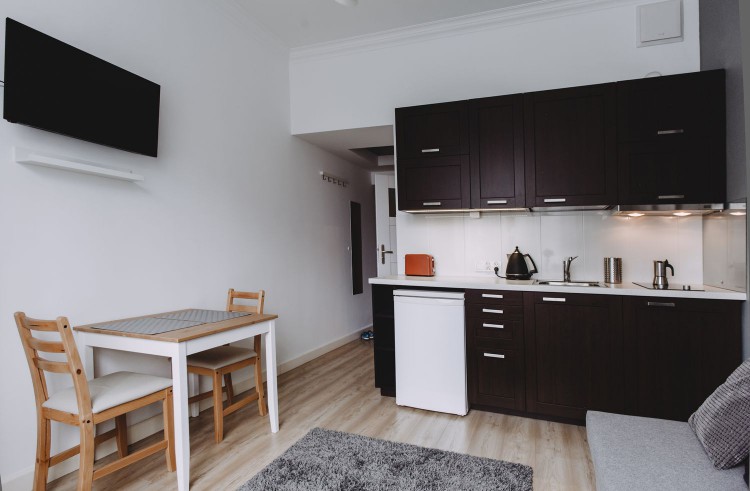
Got the okay from your landlord that you can make some changes to your apartment's walls? In this case, there's no need to keep your space plain in color, even if you don't plan to stay there for long.
Wheeler explains how a black accent wall or wallpapered room can help make an apartment look bigger. "Escape the land of neutral tones and take a chance," Wheeler says.
Pawel Wewiorski / Getty Images
Investing in the Wrong Pieces
When living in an apartment, choose what to spend your hard-earned money on wisely, as not every piece will translate beyond your small space or remain in vogue for years to come.
Don't invest in expensive pieces that you won't want to bring to your next apartment or home, Graham-Smith advises. Instead, invest in pieces you'll love like a great bed, chair, or a coffee table.
Recommended Articles
Inside Your Main Electrical Service Panel
Any electrical repair in your home involves turning off the power to the circuit you'll be working on, and you do this at the main electrical service panel. You may know the service panel as the break
3 Design Trends Designers Regret Following—and What They Wish They Had Done Instead
It’s no secret that design trends don’t always stand the test of time. Sometimes, buying into a fleeting design trend can lead to major regrets down the line, especially if it's expensive or difficult
Ready, Set, Refresh: How to Update Your Home for the New Year
Welcome to 2024! With the holidays passing over and a fresh start ahead, we at The Spruce think the new year is the perfect time to give your home a (likely) much-needed refresh. Think of how you used
How to Renovate with Sustainability in Mind
Home renovations can always be stressful, but renovating and decorating your home in an eco-friendly way can feel extra overwhelming if you’re not sure where to start. The good news is that there have
Should You Rebuild a House or Remodel a House?
If you own a house that is getting a little shabby, it might be beyond the point of more minor home improvements. As with an older vehicle, minor repairs are good for keeping the car running, but even
8 Things to Do Right Now to Get Your Deck Ready for Cold Weather
When the weather is beautiful, a well-cared-for deck is one of the best ways to enjoy it. However, when the temps take a downward turn, it's crucial to take some time to prepare your deck for the wint

19 Home Updates You Need to Make Before Extreme Weather Hits, Home Pros Say
Most homes aren't prepared for extreme weather, whether it be strong winds, flooding, wildfires, or other events. Luckily, there are some renovations you can do to prepare your home for extreme weathe
What Is Standard Towel Bar Height? Plus Heights for Other Bathroom Accessories
Towel bars and other bathroom accessories should be located conveniently and at the correct height. The standard towel bar height is 48 inches to accommodate a comfortable reach for most adults. Howev