
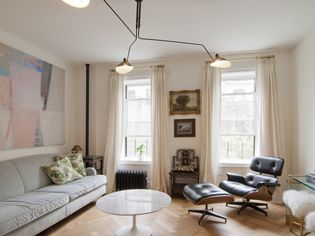
Tiny spaces like studio apartments may seem like they would be hard to apply feng shui. But fear not! Small living spaces can also have good feng shui. Here are our top feng shui tips for your tiny apartment.
Separate Spaces
Mint Images / Getty Images
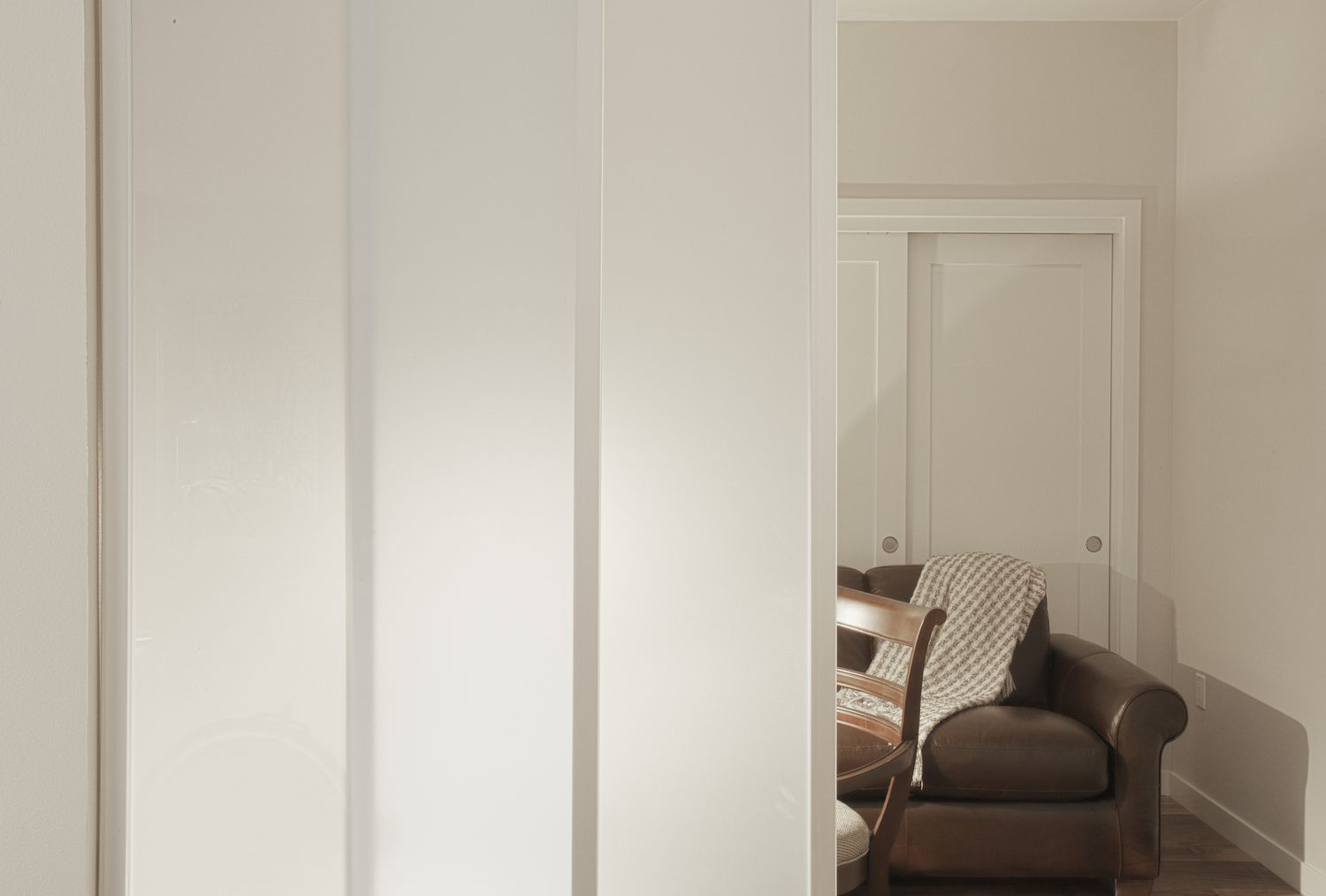
In feng shui, it’s helpful to have areas that are somewhat separated to create a balance of yin and yang. Yang spaces are more active and public, like a living room or office, whereas a yin space is rest oriented and private, like the bedroom. One of the biggest challenges with tiny apartments, especially studio or one room apartments, is that everything is happening in the same room.
If possible, try to create separate areas for public and private (yang and yin) spaces within your tiny apartment. Below, we’ll go through more specifics on different areas. But in general, separation can be done in a variety of ways:
- Screens
- Freestanding bookshelves
- Curtains
- Rugs
Define the Entry
10'000 Hours / Getty Images
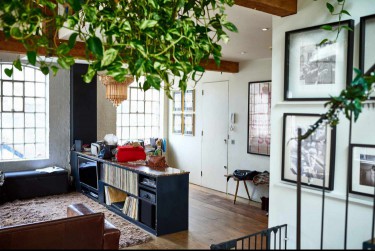
The entry of your home is called the mouth of qi, because it's where the energy enters your space. In a smaller apartment, you might have your front door right in the middle of the kitchen or living room, without any type of defined entry or foyer.
Just do your best to try to create a defined entry. Here are a few suggestions:
- Paint the door a contrasting color
- Use a doormat to delineate the entry
- Place a mirror strategically to expand the entry area
- Use a divider to create a foyer space
Sleeping Area
KatarzynaBialasiewicz / Getty Images
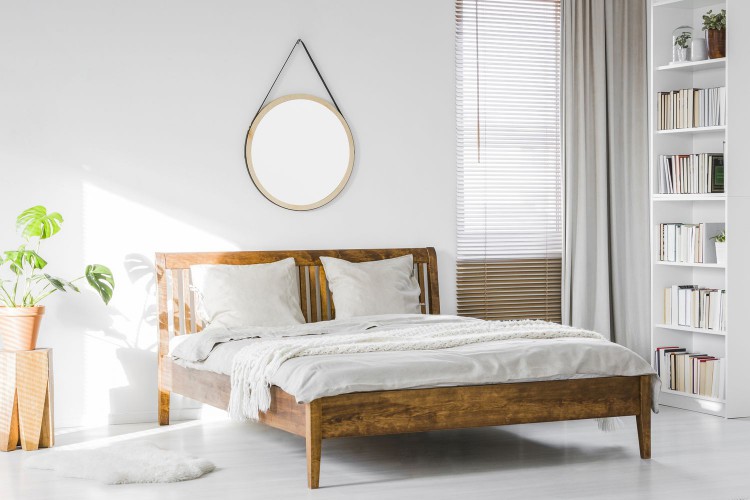
The most yin or private space in your home is the bedroom area. If possible, do all you can to employ the typical feng shui bedroom suggestions like: having your bed in command, get a headboard against a wall, and maintain space on both sides of the bed.
If possible, for a tiny apartment, avoid any storage under the bed. If you have to have storage, stick to sleep or rest related items that are soft, like linens, towels, blankets, and pillows.
Many studio apartment dwellers have Murphy beds or pull out sofas. This is OK, just make sure you include putting away the bed each morning as part of your daily morning ritual.
Also, it’s best if you can visually separate the sleep area from any work area. If you’re in bed and see your work area, it can affect your ability to rest. If possible, also try to separate the living area as well, because seeing your bed can cause a sleepy attitude towards all aspects of your public life.
Dining Area
FollowTheFlow / Getty Images
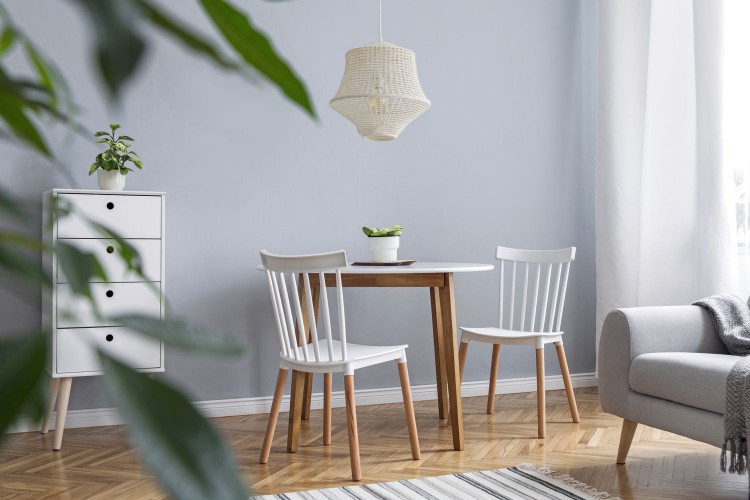
In a small home, a dedicated dining area is often neglected. In feng shui, the dining table represents friendships as well as your wellbeing. If there’s no dining space, you may end up eating on your bed, or at your desk, or in front of the TV. We can all agree those are probably not the best places to eat. When you carve out a nice space to dine, you can practice mindful eating and also perhaps invite a friend to join you.
If there’s no room, do your best and set up a nice area for yourself when you do have a meal. Turn off the TV, find a beautiful placemat, dish, cutlery, and even a flower, so you can prepare yourself a beautiful place setting for your meal.
Work Space
KatarzynaBialasiewicz / Getty Images
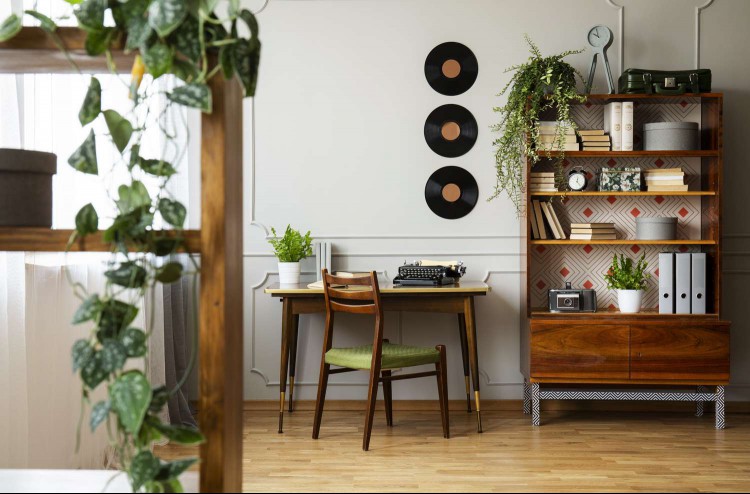
If you work from home or have a desk area in your tiny apartment, try to set yourself up in the commanding position. This means while sitting at your work space, you can see the door to the room without being directly in line with the door.
If you don’t have a separate work area, that’s OK. When you are working at home, set yourself up properly and comfortably during your work hours to focus and be productive. Then be sure to put everything away when your work hours are completed. This is especially important if you have trouble maintaining a good work/life balance.
Maximize The Light
Bernine / Getty Images
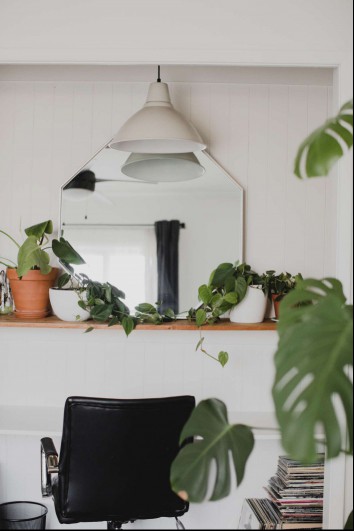
Light is healing for us, especially in tiny apartments. Maximizing the light can expand the home visually and energetically. You can do this by using white paint on the walls and ceiling. White is the most reflective color and it makes a huge difference. Don’t worry, you can bring in color with artwork, furniture, and accents.
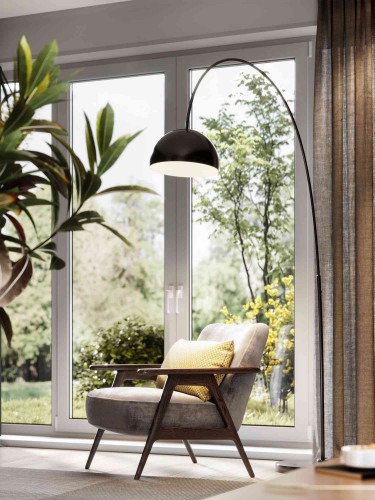
Using light fixtures around the home can help if you have limited natural light. Uplighting (light fixtures that point up) uplifts the energy. And you can vary the type of lighting, like ceiling lights, task lighting, bedside lights and lamps at eye level while sitting. Bounce the light around on the walls to brighten and expand.
Be a Minimalist
alvarez / Getty Images
It’s really important to be selective with what you have in your home if you have a tiny apartment. If you need to declutter, start with letting go of anything you haven’t used or looked at in more than 18 months.
Don’t be afraid to let things go. If your spaces are full, you have no room for anything new. But when you open up your space, it invites the universe to present wonderful opportunities at your feet.
Recommended Articles
5 Reasons You Should Think Twice Before Painting Brick, Pros Say
Brick is one of those designer-favorite materials that is timeless and can add unique depth and texture to architectural elements, both indoors and out. “It creates a dynamic balance of light and shad
9 Essentials Everyone Needs for Their First Home, According to Pros
This story is part of Home School, our complete guide to making your first home your own, where we share our first-hand and expert advice on everything you need to know to make your first home your be
I’ve Been Thrifting for Years—These Are the 6 Home Decor Gems I Never Skip
Key Points Repurpose thrifted items like crystal ashtrays and vintage glassware for style and function.Collect unique decor pieces such as bust sculptures and thrifted artwork to add personality.Stock
Real Life Renovations: How to Upgrade Your Home Without the Hassle
Home renovations aren't always as simple as they seem on TV. They're notorious for showing the mostly glamorous parts of renovating—20 minutes of planning, building, sweating, and then boom, final rev
Understanding Electrical Wire Size Charts: Amperage and Wire Gauges
Whether you're installing, extending, or rewiring a circuit, finding out the wire gauge and amperage you will need is a key first step. The gauge—or size—of the wire used needs to match the circuit's

Sewer Pipes Guide: PVC, ABS, Clay, Iron, & Orangeburg
Buried sewer pipes on the property are rarely seen by most homeowners. Few, if any, homeowners ever elect to dig up their yard just to take a cursory look at their sewer pipe. Pipe assessment is never
8 Home Reno Projects Contractors Say You Should Finish This Spring
While there are some upgrades that can be completed indoors during the fall and winter, the temperatures can present challenges. Mild weather conditions make spring the ideal season for work that requ
7 Countertops for Bathrooms
Countertops for bathrooms need to be waterproof, easy to clean, affordable, durable, and of course, attractive. A few bathroom countertops hit those marks. Laminate, quartz, solid surface, tile, and s