
Brick is one of those designer-favorite materials that is timeless and can add unique depth and texture to architectural elements, both indoors and out.
“It creates a dynamic balance of light and shadow that few other materials can achieve,” Kerrie Kelly, CEO and creative director of Kerrie Kelly Studio, explains.
But some homeowners tire of the look or find that the brick hue, typically a ruddy tone, clashes with the decor and furnishings. That’s when people often think about removing the brick altogether, staining it, or painting over it. If you’re one such homeowner and you’re leaning toward the third option, there are some pitfalls and missteps you need to be aware of and should consider before starting the paint job, according to pros.
Meet the Expert
- Kerrie Kelly is the CEO and creative director of Kerrie Kelly Studio and the former national board chair of the ASID (American Society of Interior Designers).
- Mike Mundwiller is the senior manager of end user product experience at Benjamin Moore.
If It’s Damaged
Before painting a brick surface, you need to ensure that the brick and its accompanying mortar or grout is sound and free of damage, deterioration, and dirt.
Kelly explains how paint can trap moisture and exacerbate the problem which can lead to decay. Some obvious signs of deterioration to look out for are cracks, chipping, and flaking.
Want more home reno project tips and inspiration? Sign up for our free daily newsletter for the latest how-tos, reno guides, and more!
If It Appears Chalky
Similarly, if you spot white powdery or chalky stains and streaks on a brick wall, do not paint it. That white substance is often, efflorescence, which are crystalline deposits of salt that form on brick when water is present
This also isn’t the same as dirt that you can just wash or clean off. You must remove efflorescence from a brick surface before painting it using a wire brush or comparable tool, Mike Mundwiller, senior manager of end user product experience for Benjamin Moore, explains. Skipping this extra step before coating can lead to degradation as you’re trapping substances or moisture inside.
If It’s Historic
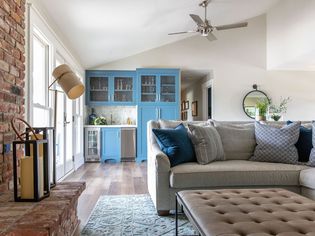
Design by Kerrie Kelly Studio / Photo by Lindsey King Photography
This is more of an aesthetic dilemma than a technical one.
“If the brick is historic or has architectural significance, painting it can detract from its value and character,” Kelly says.
If your home—whether a freestanding house, condominium, or townhome—is old, do a bit of research to find out the backstory of the structure and the bricked feature (if possible). You might discover that a bricked fireplace dates back to the 1800s when the house was first built, or that exposed brick walls are original to a turn-of-the-century schoolhouse or power plant.
In all cases, ask yourself if you really want to cover up that bit of intriguing history as well as if the action can actually devalue the home.
“If your brick feels dull or doesn’t align with your style, consider alternative treatments like a grout wash to refresh and revitalize the architectural statement," Kelly advises.
If It Has a Sheen
Perhaps you’ve already painted a brick wall but find that it’s fading or peeling too soon after completing the task. Don’t just assume it’s the paint and that you need to apply a second coating.
“The general rule when assessing any surface to be painted is to check that it’s sound, clean, dry, and dull. A paint is only as good as the substrate that it’s put on,” Mundwiller says.
Why the dullness matters: When the masonry has a sheen or gloss to it, it’s usually a sign of protective or decorative glazing on the surface—and paint can’t adhere to such a surface. While you might be able to use a special primer or de-glosser to solve the situation, it’s always best to consult an expert to assess whether it’s doable or not.
If It Faces Extreme Weather
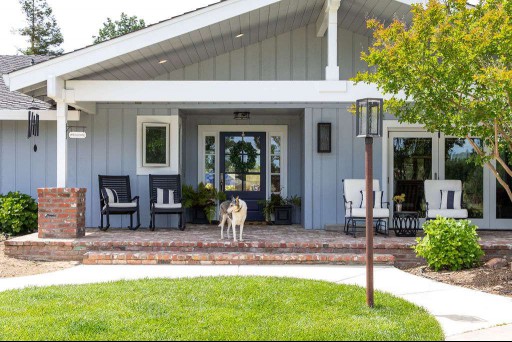
Design by Kerrie Kelly Studio / Photo by Lindsey King Photography
If the brick is exterior facing and you live in an area that faces extreme weather conditions—such as heavy rain or high humidity—you might want to skip painting the brick because of the maintenance issues. In certain weather conditions, the paint can peel off, flake, or fade more easily, forcing you to repaint entirely or touch up sections regularly.
If you’re still set on painting the masonry, be sure to apply permeable primer and paint that’s specifically formulated for brick.
“A paint system applied to a masonry exterior should be ‘breathable’ to allow moisture to escape,'” Mundwiller says. Otherwise, blistering and peeling will likely occur.
Recommended Articles
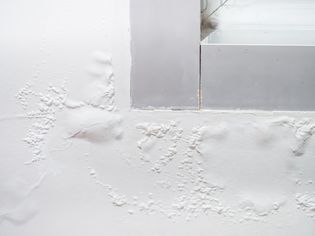
10 Reasons Why Paint Is Bubbling on Your Walls and How to Fix It Like a Pro Fast
Paint bubbling on the wall can drag down your home’s look, making it look dingy and dirty. While bubbling paint is frustrating on a wall that hasn’t been painted in a while, it’s especially maddening
5 Reasons You Should Think Twice Before Painting Brick, Pros Say
Brick is one of those designer-favorite materials that is timeless and can add unique depth and texture to architectural elements, both indoors and out. “It creates a dynamic balance of light and shad
I’ve Been Thrifting for Years—These Are the 6 Home Decor Gems I Never Skip
Key Points Repurpose thrifted items like crystal ashtrays and vintage glassware for style and function.Collect unique decor pieces such as bust sculptures and thrifted artwork to add personality.Stock

We Asked Designers If Kitchen Islands Are Still Worth It — They Said It Depends on One Thing
Key Takeaways Kitchen islands increase functionality by adding more storage, workspace, and entertaining areas.Use painters tape to map out the island area on your floor to see how it affects the flow
How Much Do Sunroom Additions Cost?
Adding a sunroom to your home is a great way to increase the amount of sheltered space you have to roam, especially for those in colder climates, when snowy weather forces you to spend more time indoo
Why You Should Buy a Bidet
In the United States, bidets are rarely used and often considered luxury amenities, although they are standard in other parts of the world. They can conserve toilet paper and gallons of water by repla

5 Upgrades Pros Would Always Skip for Their Bathrooms, Even Though They're Popular
If you’re a homeowner looking to update your bathroom and you’re reconsidering which bath updates are must-haves and which you can skip, read on to learn what some professional designers would skip wh
What Does the Average 12x12 Kitchen Remodel Cost? A Complete Guide
Kitchens need to be functional but appliances can break down, cabinetry can sag, and doors or hardware may even come off entirely. While quick fixes can help for a time, you may want to consider plann