
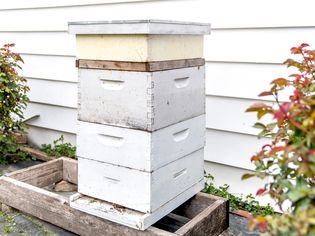
Whether you're just getting started with beekeeping, or if you've already got established colonies, you may decide that building a beehive is for you. These beehive plans are a fairly straightforward project that's great for the beginner or intermediate woodworker. Building your own beehive means that you can customize it to make it fit in your space and work well for your bees.
There are three main types of beehive plans, Langstroth, Top Bar, and Warre. You'll be able to find several DIY tutorials for each of these below as well as an explanation of what makes these hives unique. Then you'll be able to choose the best type of hive for your bees.
Langstroth Beehive Plans
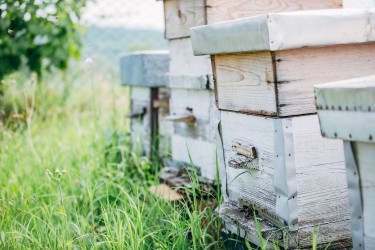
When you picture a beehive, you're most likely picturing a Langstroth beehive. This is the most common type of beehive in the United States. These consist of several stacked boxes, the number of boxes depending upon the weather and size of the hive. Inside each box is eight to 10 removable frames. This is a great choice if you have a lot of bees or plan to expand in the future.
Langstroth Beehive Construction: Ontario Bees has a free PDF available that will take you through the process of building a Langstroth beehive. This plan shows you how to build both the boxes and the frames.
Long Langstroth Hive: This beehive plan builds a horizontal hive instead of a vertical one. It costs under $50 in materials and only takes a few hours to build. The walls are thick, meaning the hive will get extra insulation and be very durable. It fits 31 standard deep frames.
Langstroth Hive: This Langstroth hive holds eight frames instead of 10, so there's more space in between the frames and the body of the hive is lighter.
How to Make a Beehive: This version of a Langstroth beehive uses screwed-on handles instead of point or notched hive handles, making it an easier build.
How to Build a Langstroth Beehive: This DIY guide takes you through building brood boxes, super boxes, frames, and other parts of the beehive. Besides instructing you on how to build a Langstroth beehive, this guide also helps you repair any damage or make replacements to parts.
How to Build a Beehive: Here's a free plan to help you build a Langstroth beehive. It takes you through each level of the hive and shows you how to build it. A cut list, diagrams, and a bunch of step-by-step directions show you exactly how it should be done.
10-Frame Langstroth Beehive: This DIY plan will show you how to build a Langstroth beehive that has 10 frames. With this plan, you'll be spending less than $20 to build your own which is a huge saving if you were to buy one. It may not look the prettiest, but this hive will compete with the other more expensive hives.
Top Bar Hive Plans
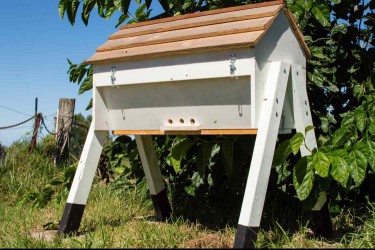
Top Bar Hives are the simplest type of beehive that you can build. They are very forgiving and you can construct these out of materials that you have on hand. Not only are they the easiest to build, but they are also the easiest to maintain for new beekeepers. These hives allow bees to build their own comb, taking a more organic approach to beekeeping. This type of beehive is a great choice if you're looking to start a small-scale beekeeping endeavor.
Build a Top Bar Beehive: This intermediate building project takes you through each step of building a top bar beehive. The plan includes a materials list, a tools list, and step-by-step building directions with photos.
How to Build Your Own DIY Top Bar Beehive: This plan shows you how to build a top bar beehive out of cedar. Photos, diagrams, and a video are available to help you along the way.
Building a Top Bar Hive: If you're on a budget and looking to build a beehive, this plan is made just for you. The design is based on simplicity and is made with the least amount of materials and tools.
How to Build a Top Bar Beehive: Build a top bar beehive using poplar for this free plan. There's also a video that will take you through the process of building the hive.
Warre Beehive Plans
Paul Starosta/Getty Images
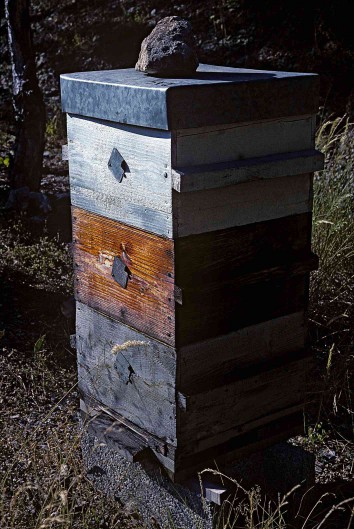
A Warre beehive is in between the Langstroth and Top Bar hives in size and weight. It's the lowest maintenance type of beehive and is very space-efficient. It is heavier than Top Bar hives and you'll have to add new boxes from the bottom of the hive. It's not as commonly used as the other two types of hives.
Warre Hive Construction Guide: This Warre beehive is a vertical top bar hive that's easy to build and easy to take care of. It takes 2-3 hours to build and will cost you $50-$75 in new materials to build one hive.
The Original Warre Hive: This beehive plan takes a look at the past and builds a very traditional Warre hive based on the original one built in 1948.
How to Build a Warre Beehive: Go through each section of building the beehive box, top bars, floorboard, quilt box, roof, and legs. There's also a lot of information here on how to care for your Warre beehive including cleaning and harvesting honey.
Plans for Constructing a Warre Hive: There are lots of diagrams here that will walk you through the process of building a Warre hive. There are four boxes in this hive plan and a guide that shows you how to include windows so you take a peek at your bees.
Recommended Articles
Painting Without Tape: How Cutting-In Can Save Taping
Easy-to-remove painter's tape has become the paint edging device of choice for most do-it-yourselfers because of its predictability and low-stick qualities. By contrast, painting without tape might se

Paint Calculator: How Much Paint Do I Need?
This paint coverage calculator makes calculating the amount of paint you'll need for your project nearly automatic. Your role in the process involves just a few elements: Measure the height and width
6 Decorating Tricks Minimalists Swear by to Keep Small Spaces Airy and Stylish
Key Points Light is key in making a small space feel and look larger, so aim to use reflective surfaces—from mirrors to light paint colors, layered light fixtures, and sheer window treatments.Shop for
Turn Rugs Into Artwork
Have an heirloom rug that you want to display, but don’t want to wear out? Maybe you picked up a pretty rug on your travels, but don’t want to replace the rug you already have. Or, perhaps you just th
We Asked Designers What Kitchen Styles They’re Tired of Seeing and They Agreed on These 6
Key Points All-white, Tuscan, and 90s farmhouse kitchens feel dated and lack warmth or purpose.Open shelves, cherry wood with granite, and subway tile backsplashes are being swapped for simpler, low-m
5 Small Home Upgrades Under $5,000 That Make a Huge Impact, Designers Say
Changing your lighting can be an affordable way to bring impact to a room. Layer various types or swap out dated styles.If you're looking for a budget-friendly and quick update, consider painting your
Winterizing Your House Now Can Save You Money Later—What Pros Want You to Know
The process of preparing your home for winter is known as winterizing, though the exact steps a homeowner needs to take to winterize their home varies. Basic winterizing tasks can be as simple as drai

How to Choose a Bathroom Exhaust Fan
Bathroom exhaust fans are required by the NEC (National Electrical Code) and local building codes for any bathroom that doesn't have a window that can be opened to provide ventilation. In some jurisdi