
Key Points
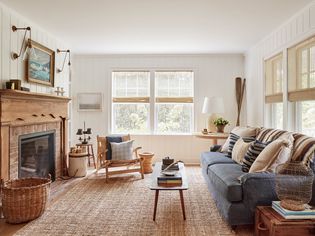
- Light is key in making a small space feel and look larger, so aim to use reflective surfaces—from mirrors to light paint colors, layered light fixtures, and sheer window treatments.
- Shop for multifunctional furnishings, from storage ottomans and coffee tables to chairs that can move seamlessly from one room to another.
- Try to keep sight lines open and walls and other areas uncluttered.
Although you can find a multitude of furniture scaled down for tight spaces, you might discover that some such spaces just can’t help but feel cramped no matter how you outfit them. If you don’t have the option to expand or remodel the space to make it look or feel larger, fear not, for there are some attainable decorating moves you can try.
We asked minimalist interior designers to share some tips and tricks that don’t require renovation, making them also renter-friendly.
Meet the Expert
- Katherine Cunningham is the design principal of Light and Dwell.
- Asler Valero is the principal of Asler Valero Interior Design.
- Autumn Pochiro is the CEO of Autumn Dawn Design.
Add Reflective Surfaces
Tyler Karu / Photo by Erin Little
The number one tip most interior designers offer for a small space is to brighten it up. But if the room is deprived of daylight due to having small windows, only a single window opening, or windows facing the wrong direction or another building, there are still tricks you can incorporate to increase light.
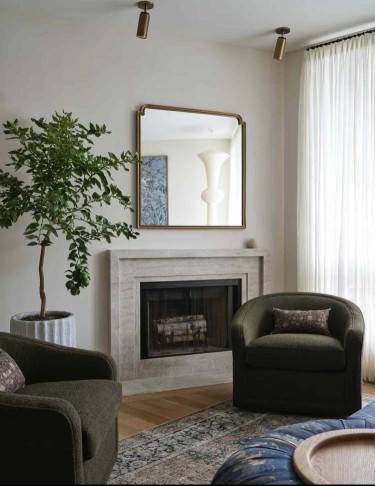
Consider reflective surfaces like mirrors to amplify natural light, Katherine Cunningham, principal designer at Light and Dwell, says. You can use reflective furniture pieces as well, but if you choose to go with a wall-hung or floor-standing mirror, position it to face a window or light fixture for maximum effect. Painting the space’s walls and ceiling in white tones will also help reflect light.
Mirrors have an added plus as they not only reflect light, but they also create the illusion of depth and more space, Asler Valero, principal of Asler Valero Interior Design, says.
Want more design inspiration? Sign up for our free daily newsletter for the latest decor ideas, designer tips, and more!
Hide in Plain Sight
Britt Design Studio
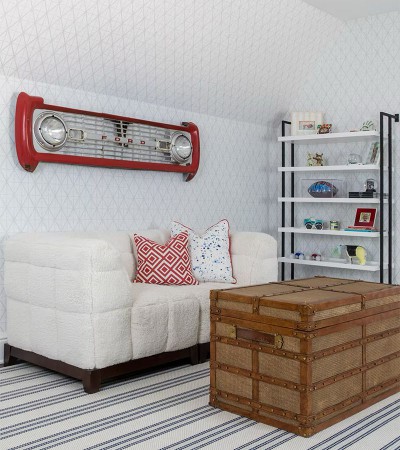
Incorporate furnishings that pull double duty as storage. For instance, use ottomans and coffee tables that have integrated storage. You can also try something such as a classic storage trunk to serve as a coffee table, but also hold pillows, throws, games, and more.
“Bar carts are also great for this as you can use them for both serving and storage,” Autumn Pochiro, CEO of Autumn Dawn Design, says.
Clear the Way
LeeAnn Baker Interiors / Photo by Miranda Estes
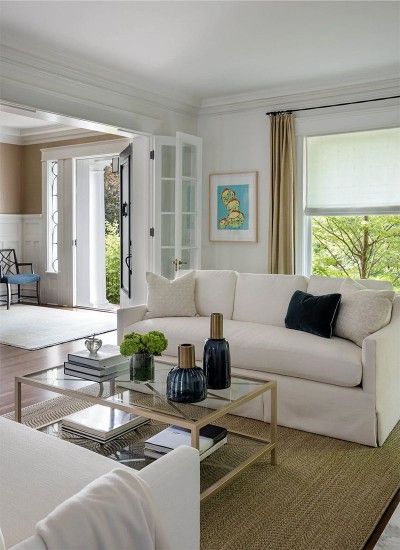
Using smaller-scale furniture for a tight space is a no-brainer, but also consider using transparent pieces such as acrylic side tables and glass-topped coffee and dining tables or glass-topped desks.
“Glass is visually light and doesn’t block sightlines, making the room feel more open,” Valero says.
Also, don’t be afraid to leave an empty spot unfurnished.
“Embrace negative space between objects,” Cunningham says. “This visual breathing room makes small areas feel intentionally curated rather than cramped.”
Finally, avoid filling all walls with art. Valero explains how a few thoughtfully placed pieces look more interesting and reduce visual clutter. But if you’re still keen on hanging wall art in a small room, he recommends hanging it in a gallery-style installation using a tight grouping with consistent frames or layout to keep them all united.
Use Interchangeable Furniture
Erin Williamson Design
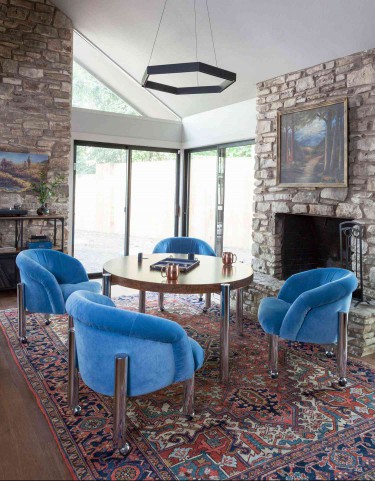
Pochiro recommends using settees as seating at small dining tables, which can then be pulled over elsewhere for entertaining. Along the same lines, you can use cushy club chairs or upholstered armchairs that easily transition from dining to lounging and socializing scenarios.
On the other hand, you can use a small table that serves as both a dining table and a card-playing or game table after meals. And instead of a coffee table, use a large, upholstered ottoman that can provide extra seating or a spot to rest your feet, but, when needed, be topped with a removable tray for resting drinks and snacks.
Bring Out Your Bed
Amy Leferink at Interior Impressions / Photo by Spacecrafting Photography
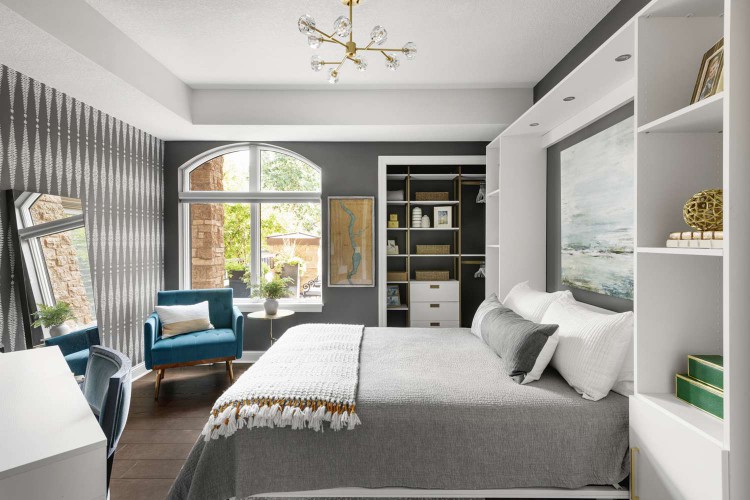
If you’re struggling to find space for guest quarters, consider adding a murphy bed that you can pull out and stash away at a moment’s notice.
“It’s a great way to save space and make a room multifunctional, from office to bedroom, for instance, in one quick motion,” Pochiro says.
Keep Things Light
Amy Leferink at Interior Impressions / Photo by Jill Hamilton Photography
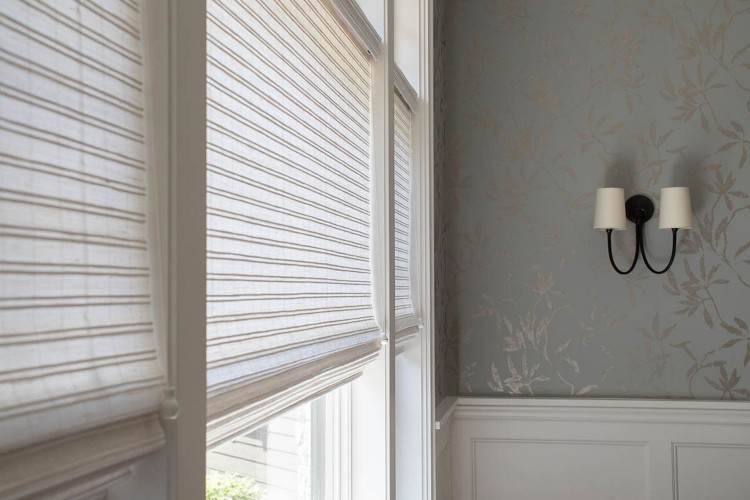
As mentioned earlier, light is key in helping make a space feel and look bigger. Consider layering light fixtures, from overhead lights and wall sconces to table and floor lamps. Pochiro reminds you that there are now many cordless, battery-powered options on the market, as well as plug-in ceiling and wall lights, so you needn’t worry about hardwiring.
Also, think about using simple window treatments.
“Matchstick blinds or soft, sheer fabrics let in more light and keep the look airy,” Valero says.
Whereas heavy drapes or busy patterns can overwhelm small spaces.
Recommended Articles
How to Choose Sandpaper Grit
Sandpaper has a variety of uses in home repair activities but is most often used to clean and smooth wood or metal in preparation for finishing or painting. To determine what type of sandpaper grit yo

Your Complete Guide to Shopping at IKEA
Ikea stores worldwide are known (and loved) for their inventories of dynamic, hackable, affordable home decor, furnishings, and plant collections. While Ikea hacks are much-loved methods for upgrading
I’ve Been Thrifting for Years—These Are the 6 Home Decor Gems I Never Skip
Key Points Repurpose thrifted items like crystal ashtrays and vintage glassware for style and function.Collect unique decor pieces such as bust sculptures and thrifted artwork to add personality.Stock
5 Tacky Kitchen "Upgrades" That Instantly Make a Home Look Bad, According to Designers
When it comes to renovating a kitchen, you want to make sure your time and money aren't wasted on bad design decisions that you'll regret in a couple of years. "Certain upgrades may seem exciting in t
7 Home DIY Projects You Can Do for Less Than $100—But Make a Big Difference
There are a number of budget-friendly home upgrades you can make for an instant refresh.Replacing kitchen faucets, cabinet hardware, electrical switches, and lighting all go a long way.Painting, insta
Building Your Own House: A Step-by-Step Guide
Building a house has an undeniable allure. A new house can be designed exactly how you picture it, allowing you to take control of the building process. You can even save money by avoiding any unfores
Is Cabinet Refacing Worth the Price? A Home Reno Pro Breaks Down the Cost
Cabinet refacing upgrades a kitchen or bathroom without the high cost or disruption of complete cabinet replacement. On average, a full-size kitchen with about 30 feet of cabinets costs $8,300 for cab
Is Your Dishwasher Not Turning On? 11 Ways to Fix It ASAP
Your dishwasher not turning on after you load it with filthy dishes is a major inconvenience. But wait —before you resort to unloading it and handwashing your dishes, try these troubleshooting methods