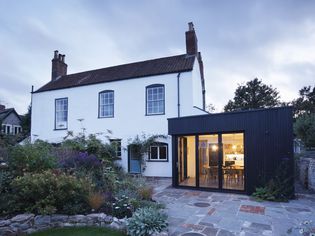
Building a home addition is the ultimate way to add large amounts of fully usable space to your home and enhance its resale value. The average cost to build a home addition is $50,000; typically, costs fall between $22,000 and $82,000. However, depending on the materials you use, hiring workers, the addition size, and where you live, costs could rise past $100,000.
How Much Does a Home Addition Cost?
| Average Cost | $50,000 |
| Low-end | $4,000 |
| High-end | $155,000 |
Average Cost
The average national cost of a home addition is around $50,000. Adding a bathroom to that space involves plumbing and more electrical work, which will considerably increase the total average by thousands of dollars depending on the size and amenities of the bathroom.
Low Cost
Some lower-cost home additions with few or no expensive services that require extensive electrical and plumbing work and builder-grade materials include small bump-outs, porches and decks, and dormers that cost about $4,000 (or less) up to $10,000 on average.
High Cost
Garages, in-law suites, and modular rooms are among the higher-cost home additions with extensive electrical and plumbing work and higher-grade materials. Their average costs range from $25,000 to over $100,000. A second-story addition is also considered high-cost because it involves extensive roof work and averages about $300 to $500 per square foot.
Factors That Increase Home Addition Costs
Size
The size of the addition is a significant determinant of its total cost. The average price of an addition, including materials and labor, can be between $80 and $200 per square foot, though, as noted, a second-floor addition is considerably more per square foot.
Type of Addition
The purpose of the addition often changes its price. A room addition, for example, will cost less than an addition that will operate as a separate apartment. Unlike full-size additions, room additions do not have expensive services such as full or even half bathrooms. They also have decreased heating and cooling needs, fewer windows and doors, and more straightforward electrical work. Here are some average costs by type of addition.
| Type of Addition | |
|---|---|
| Type | Average Cost |
| Attic | $40,000 |
| Primary bedroom | $62,000-$100,000 |
| Dining room | $20,000-$45,000 |
| Kitchen | $20,000-$125,000 |
| Bathroom | $15,000-$90,000 |
| Laundry room | $8,000 |
| Living room/family room | $20,000-$45,000 (12x18) |
| Mudroom/sunroom | $8,000-$16,000 |
| Porch | $5,000-$25,000 |
| Garage | $25,000-$50,000 |
| In-law suite | $50,000-$100,000 |
| Second story | $80,000-$600,000 |
Electrical Work
Electrical work is necessary for even the most basic type of home addition. Electrical codes provide minimum requirements for lighting and outlets. When home additions become large and more complicated, the electrical bill increases exponentially.
Installing specialty spaces like a home theater, home office, or gym can drive up the cost of a home addition. Adding features to other rooms, such as electric radiant heating under a bathroom floor, may also increase the price.
Plumbing Work
Much like electrical work, plumbing work is done by licensed professionals—the more plumbing work, the higher the overall cost of the addition. Plumbing work must be tied into the existing plumbing in the main house.
Bathrooms
Adding only a bathroom to your home can cost about $35,000. Adding a larger bathroom of about 100 square feet with luxury amenities can cost $90,000. Other materials like porcelain tile or natural stone are expensive per-square-foot materials not found in other parts of the home.
Adding a bathroom to a home addition substantially increases the overall cost. For example, adding a bathroom to a primary bedroom addition (which costs about $62,000) will cost an additional $40,000.
Location
The area or location where you want the addition built can also affect the cost. For example, will the addition easily access current features like HVAC systems, electrical lines, and plumbing? If so, that could bring the costs down a bit.
Labor
Any size addition requires a lot of labor. Here are some average costs to give you a general idea of what to expect depending on what type of addition you want.
- Site manager: Fee is 5% to 15% of the total project cost
- General contractor: Fee is typically 10% to 25% of the total project cost
- Architect: Fee generally is 5% to 20% of the total project cost
- Carpenter: $75 to $100 per hour
- Excavation and demolition: $500 to $10,000 (includes permits, site prep, equipment, etc.)
- Electrician: $50 to $130 per hour
- HVAC technician: $50 to $100 per hour
- Plumber: $45 to $150 per hour
- Roofer: $40 to $80 per hour
- Structural engineer: $70 to $250 per hour
Permits and Zoning Laws
Zoning laws may require permits and associated costs to pay for those permits. You can expect permit costs from $200 to $3,000, depending on the municipality and the work required, ranging from small projects like adding or removing a wall or pricier projects, such as water drainage, septic system, electrical wiring, The worksite construction manager is usually the person who will acquire the correct permits.
Factors That May Lower Home Addition Costs
Limit the Size
Consider if you need all of the intended space and pare down any unnecessary space. For example, decreasing the size of a living area by a third will lower the addition's cost.
Build Attic Space Into a Second-Story
Converting an attic space into a second story is usually less expensive than building outward since no foundation work is needed. If you can keep the existing roof, these expenses remain relatively manageable.
Be Flexible
Remain flexible about scheduling for possible discounts. Remember that spring is usually the prime renovation and remodeling season.
Supply Your Own Materials
Source some of your materials to eliminate contractor markup charges. Be sure to discuss this well in advance with your contractor. Contractors generally won't allow the client to supply building materials like lumber, plumbing, or concrete, but it's common for clients to supply smaller items like bathroom fixtures.
DIY Finish Work
Doing much or all of the finish work, like painting after completion, eliminates labor charges and contractor markup fees. As with supplying materials, discuss this with the contractor well before the project starts. Doing DIY work at the end of the project rather than in the middle ensures that you won't slow down the project.
Resist Unnecessary Changes
Resist the urge to make capricious or unnecessary changes. Changes always drive up the cost of an addition; do so only when necessary.
How to Pay for a Home Addition
When thinking about how to pay for a home addition, outside of tapping your savings, consider taking out a loan, establishing a line of credit, refinancing your mortgage, or taking out a second mortgage.
Home Improvement Loan
Home improvement loans are like a standard personal loan; you borrow a lump sum and make monthly payments over time. These loans usually have a higher interest rate but are less expensive than a credit card.
These loans are generally easy to obtain but not the cheapest option. Also, a personal loan will have a shorter repayment term than other options, which usually increases monthly payments.
Home Equity Loan
A home equity loan is a second mortgage. You borrow money using your house as collateral. These loans have fixed interest rates and a set repayment period, similar to a home improvement loan. If you itemize your taxes, the interest you pay may also be tax-deductible.
Home Equity Line of Credit
Similar to a home equity loan, you establish a line of credit that is borrowed against the equity you have in your home. It acts like a credit card. You borrow against it, make payments, and up to the established line of credit.
This option has a variable interest rate and a fixed repayment time frame. Most borrowing windows are about 10 years. Its biggest downside is that if you haven't owned the home long, you may not have accumulated much equity yet.
Refinance Your Mortgage
When refinancing your mortgage, your loan to your original lender is paid off, and a new lender sets new loan terms, with a new interest rate, a new payment term, and some closing costs.
If you have enough equity in your home, you can apply for a cash-out refinance to borrow more than your original mortgage and get the difference in cash at closing to pay for your home renovation costs. This option only works if you've built significant equity in your home, and it's limited to up to 80% of the home's value.
- Is it cheaper to add on or build up?
Building up is less costly than adding on. Building up requires roof work while adding on requires expensive foundation work.
How much should I budget for a room addition?Your budget depends on the type and size of addition you want. To get started, start with $50,000, and based on your research and estimates, increase or decrease it from there.
What is the least expensive way to add on to a house?A bump-out is the least expensive way to add space to a home. A small cantilevered bump-out does not require foundation work. However, a bump-out limits the extra space you can add to your home, averaging about 2 (also called a pop-out) to 15 feet maximum, which can require a new or modified foundation. Depending on the scope and size of the project, expect to pay anywhere between $1,700 and $19,000 for a bump-out.
Recommended Articles
 PAINTING
5 Types of Paint Finishes: How to Actually Choose the Right One?
Familiarizing yourself with the different types of paint finishes is the best way to ensure you choose the right one for your paint project. Whether you're painting walls, trim, cabinetry, or even you
INTERIOR-REMODEL-AND-REPAIR9 Original Details You Need to Save During a Reno, According to Pros
As someone currently in the throes of a historic home renovation, I know firsthand that some details should be saved, protected, and, if necessary, refurbished. But how do you know which decorative ac
INTERIOR-REMODEL-AND-REPAIRWhen Moving Isn't an Option, How to Turn Your Old Home Into Your Dream Home
If you've been unable to size up from your current home, you're not alone—according to a paper published by the National Bureau of Economic Research, there were 800,000 fewer moves in 2023 than the ye
OUTDOOR-BUILDINGTurning Your Shed Into a Tiny House? Here's What to Know
Turning a shed into a tiny house expands living or creative spaces, opens up short-term rental income opportunities, or provides a place for family members to stay. Learn how to turn a shed into a tin
EXTERIOR-REMODEL-AND-REPAIRHouse Renovation Guide: How to Plan and Prepare
House renovation is less extensive than remodeling since it involves more cosmetic than structural changes. Both can be expensive, especially if you update bathrooms, kitchens, or rooms by changing ou
EXTERIOR-REMODEL-AND-REPAIRHow Much Do Sunroom Additions Cost?
Adding a sunroom to your home is a great way to increase the amount of sheltered space you have to roam, especially for those in colder climates, when snowy weather forces you to spend more time indoo
BATHROOM-REMODEL-AND-REPAIRTips for Positioning a Bathroom Vent Fan
Choosing a location when installing a bathroom vent fan depends on where the fan will work best for removing moisture and how to run the ductwork efficiently. Read on to find out what a bathroom fan d
BATHROOM-REMODEL-AND-REPAIRHGTV's Scott McGillivray Shares His Top Tips to Keep Bathroom Renovations Stress-Free
Ah, the bathroom. This lowly, often overlooked spot in our homes is actually one of the hardest working rooms. If your bathroom has seen better days—we’re talking chipping tiles, constantly-running to