
Key Points
- Closed curtains during the day can signal you're away, but open ones may expose valuables.
- Partially open curtains or sheers can limit visibility into your home.
- In hot weather, closed curtains can block heat; in cold weather, open ones can let in sunlight.
When you're heading out for the day, is it best to leave the curtains in your home open or closed? It turns out that designers have mixed views as to whether leaving your curtains open while you are not home is a wise idea.
"When clients ask me whether they should keep curtains open or closed when they’re away, my response is rarely one-size-fits-all," Rachel Blindauer, who is the founder of an eponymous interior design firm, says. "The answer hinges on a balance of beauty, security, and how you want your home to greet you when you return."
Below, Blindauer and two other interior designers speak more regarding their perspectives on why they do or do not believe you should draw the blinds when you leave the house.
Meet the Expert
- Rachel Blindauer is the founder of an eponymous design firm.
- Amber Kamat is the founder of It's Not Complicated Organizing.
- Jennifer Jones is the founder of Niche Interiors.
Keep Curtains Open When You Need Extra Warmth
Erin Williamson Design
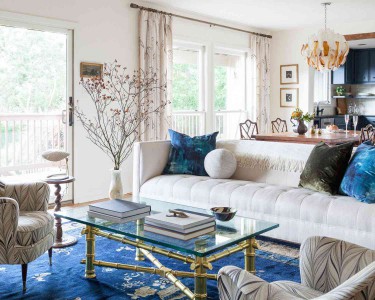
In colder winter months, keeping your curtains home while you step out for the day can help to warm up your home as the sunlight streams in, Amber Kamat, a professional organizer and interior designer who is the founder of It's Not Complicated Organizing, says.
That said, the designer adds, you will still want to be mindful about possible furniture fading, as discussed earlier, so it's smart to install UV-filtering curtains for added protection while still enjoying the benefits of sunlight.
Want more design inspiration? Sign up for our free daily newsletter for the latest decor ideas, designer tips, and more!
Keep Curtains Closed for Privacy Reasons
Jennifer Jones, the founder of Niche Interiors, believes that when it comes to rooms that face the street, it is best to keep curtains closed when you're away from your home for maximum safety and security.
"The less information a potential thief has about the layout of your home, the better," she says.
In rooms that do not face other homes, this is less of a concern, and you can use your best judgment based on the other factors discussed below to determine whether leaving your windows open or closed is right for you.
Additionally, sheers are a good compromise for those who want to enjoy a bit of extra warmth without keeping their homes on display all day long, Kamat adds.
"They diffuse sunlight while obscuring detailed views into the home, offering a smart compromise between light and privacy," she says.
Keep Curtains Open to Showcase Your Home
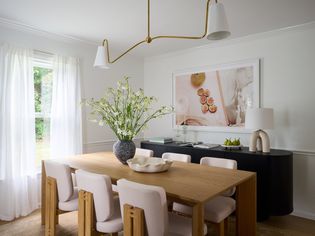
On the contrary, some are of the belief that leaving the curtains open can serve as a means to "celebrate your design" even when you're not there, as Blindauer explains.
"If you’ve invested in beautiful window treatments, let them frame the view and architecture, not conceal it," Blindauer says. "Curtains shouldn’t always be in the business of hiding; sometimes, they should act like a picture frame around the view outside."
Keep Curtains Closed to Prevent Sun Damage
With regard to rooms that receive ample sunlight, Jones finds that keeping curtains closed when they don't need to be open is best. Doing so, she explains, will help to protect everything from floors to upholstery from sun damage and fading.
Blindauer agrees with this outlook, noting that closing curtains during peak sunlight hours preserves both beauty and longevity, she says.
Keep Curtains Open to Indicate You're Home
arbor & co
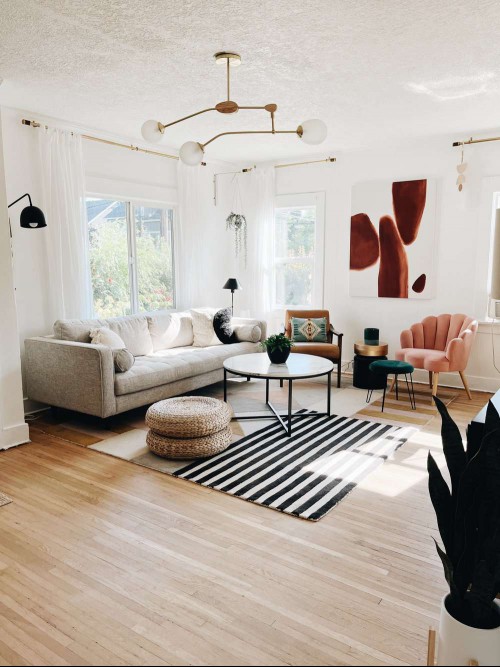
Imagine you drive by a house with all of its curtains closed—it likely gives off the impression that no one is home, and perhaps they haven't been for a while.
Whether you're leaving the house for a few hours or a few days, keeping your curtains open can function as a security system of sorts, Blindauer explains.
"Open curtains can give the impression of presence—a subtle cue that someone may just be around the corner," the designer says, adding that supplementing this setup with automated lighting or smart home tech can be even better.
Recommended Articles
Paint Calculator: How Much Paint Do I Need?
This paint coverage calculator makes calculating the amount of paint you'll need for your project nearly automatic. Your role in the process involves just a few elements: Measure the height and width
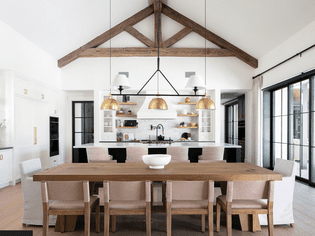
5 Designer-Approved Ways to Turn Your Home Into a Minimalist Farmhouse
Although there's no denying that the neutral colors and cool, clean lines of Scandinavian and minimalist interiors are soothing to the eye, there's also something undeniably comforting about the farmh
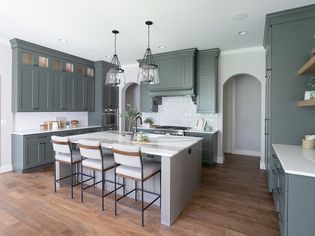
3 Common Renovation Mistakes Designers Really Hate (and How to Avoid Them)
Embarking on a home renovation can stir up a flurry of emotions. The process is exciting, daunting, fulfilling, and exhausting. Even one renovation hiccup can turn into a significant misstep down the
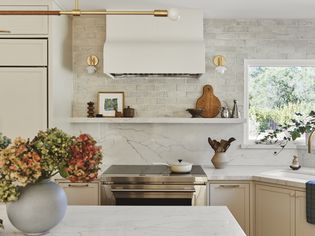
6 Small Home Upgrades That Add So Much Value, According to Home Pros
Winter brings a lot of time spent indoors, and with that, a lot of looking around your home wishing you could make some changes. But before you upgrade your space, how will you know if it's really wor
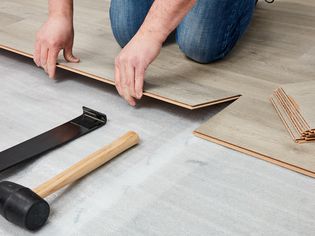
Laminate Underlayment: Installation Basics
Underlayment is necessary for laminate floors because it smooths uneven surfaces, absorbs sound, and controls moisture. Learn about underlayment for laminate flooring and installation basics. What Is
Is That Termite Damage or Wood Rot? How to Tell the Difference So You Can Fix It Fast
Termite damage and wood rot look similar and are damaging to a home.Termite damage is due to insects, while wood rot is caused by fungus or water.Knowing the difference between termite damage and wood
Using Hardwood Flooring in a Bathroom
There are benefits and drawbacks to wood floors in bathrooms. Hardwood flooring is a popular surface covering material that has been used in a variety of interior spaces since the dawn of modern const
Kitchen Spacing Rules and Distances
A kitchen remodel is no small feat, and in the interest of trying to make things just a bit easier on yourself, you may be tempted to ignore spacing and placement recommendations for islands, seating,