
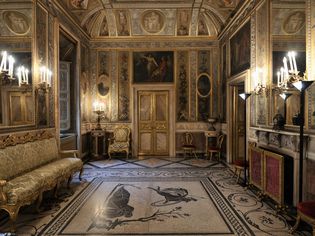
Baroque interior design refers to the style of decor that was used during the Baroque period of architecture, art, and design in the 17th and first half of the 18th century.
What Is Baroque-Style Design?
Baroque interior design is the style of decor style of the Baroque period of architecture, art, and design that developed in the 17th and first half of the 18th century in Italy and France.
This extravagant style included layered, formal, highly decorated interiors that included such elements as bronze sculptures; intricate tapestries; sculpted wood mirrors, moldings, and paneling; elaborately painted ceilings; crystal chandeliers; and gilded everything.
VCG Wilson / Corbis / Getty Images
History of Baroque-Style Design
The Baroque movement started in Italy around 1600. It then spread to France, throughout Europe, and around the globe. Baroque was the first visual style to have a significant worldwide impact.
Baroque-style interior design is part of the larger Baroque visual arts movement that spanned architecture, art, furniture design, objects, and more, with interior design, architecture, and art working together to create a cohesive visual statement.
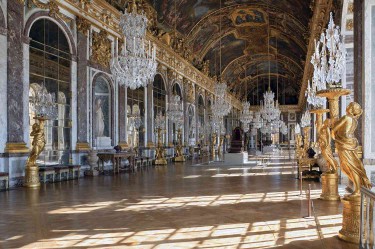
Baroque style was an aesthetic exercise and a sensory demonstration of power—such as the highly decorative churches and cathedrals that the Catholic Church in Italy constructed to increase its dominance. In France, Louis XIV used a variation of Baroque style mixed with French Classicism as a kind of power branding for the monarchy. His interior designer Charles Le Brun took cues from the Sun King’s taste for all things gilded and desire to showcase his enormous power, resulting in the Château de Versailles, a monument to Baroque style that still shines today.
DarioEgidi / Getty Images
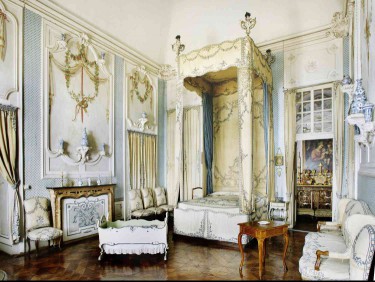
While Baroque style first emerged in Italy, it culminated in Rococo, (otherwise known as Late Baroque, or rocaille style) that developed in 18th-century Paris. Rococo’s ornate, over-the-top style was as a rebuke to the strict confines of French Baroque architecture and King Louis XIV’s strict ideas about what constituted art.
Baroque fell out of fashion in the mid 18th century, but appreciation for the style was revived in the 19th century. In the 20th century, acclaimed interior designer Dorothy Draper invented a popular style known as Modern Baroque, which was a bold take on the classics that used elements of bling, bright colors, and an updated take on Rococo detailing that became popularly known as Hollywood Regency. In the 21st century, contemporary Baroque mini revivals with nicknames such as Modern Romantic continue to come and go, even if today only the most eccentric contemporary interiors would feature full-on Baroque style.
Holger Leue / Getty Images
Key Characteristics of Baroque-Style Design
- Baroque style is lavish, sumptuous, highly ornamental, and theatrical, with a flair for the dramatic and an undeniable sense of grandeur
- This aesthetic style was designed to appeal to the senses in order to provoke a heightened emotional response
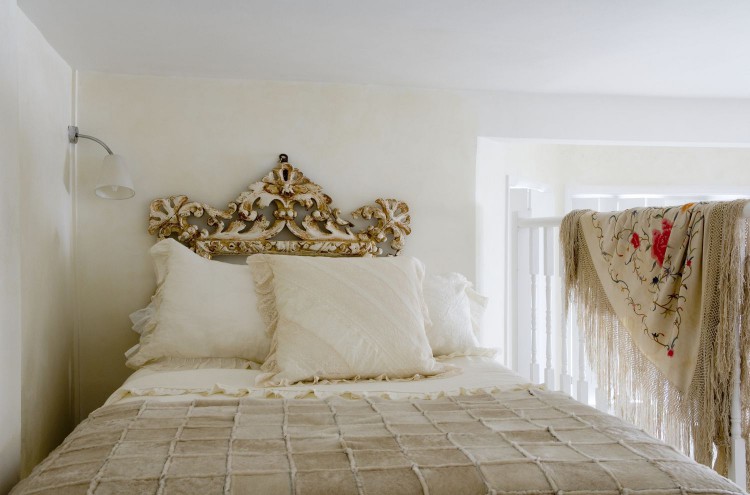
- The overall style is characterized by its unapologetic use of bling, from sparkling crystal chandeliers to elaborately carved mirrors, to monumental furniture and decor pieces, to gilded finishes on everything from furniture to objects to walls
- French Baroque style may look like a riot of details and decorative elements, but it distinguishes itself with an underlying focus on symmetry and elegance informed by French Classicism
Andreas von Einsiedel / Getty Images
- Use of refined materials and techniques such as porcelain, lacquer, and wood marquetry
- Baroque interiors often feature spectacular painted ceilings that are often meant to create a trompe l'oeil effect of being open to the sky
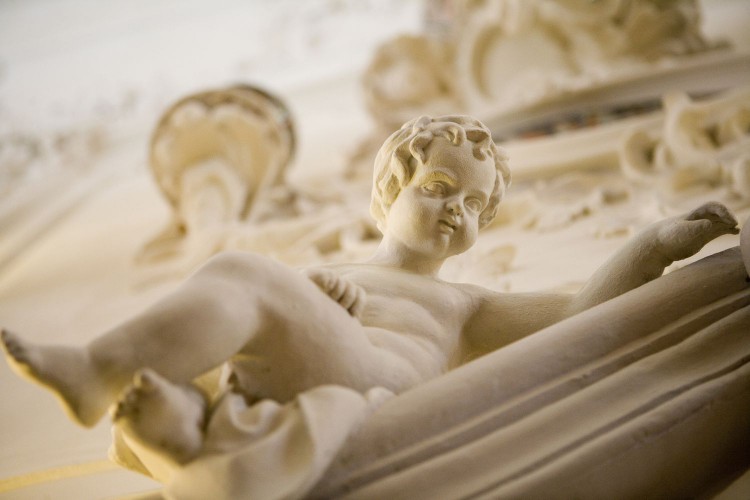
- Use of carved moldings and ornamental details such as stylized natural motifs such as leaves, flowers, cherubs, human, and animal figures
- Shapes and forms are often curved and spiraled to create a sense of movement, such as scrolls of foliage
Kartell
Modern Baroque Decorating Tips
Baroque style may seem out of step with modern decor, but it remains an influence for contemporary interior designers and home decorators alike, who often embrace a Baroque minimalist approach to incorporating the interior design style.
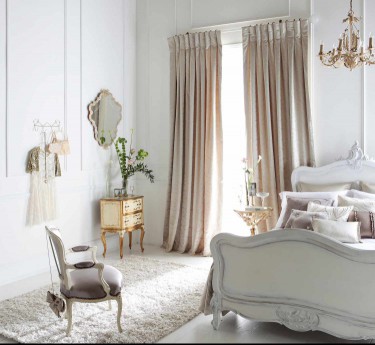
When incorporating Baroque-style elements into a modern decor scheme, a little bit goes a long way. A gilded Baroque-style Italian or French mirror or bed frame can provide a focal point in an otherwise modern room with neutral finishes and decor, or work as part of a more eclectic design scheme.
Onzeg / Getty Images
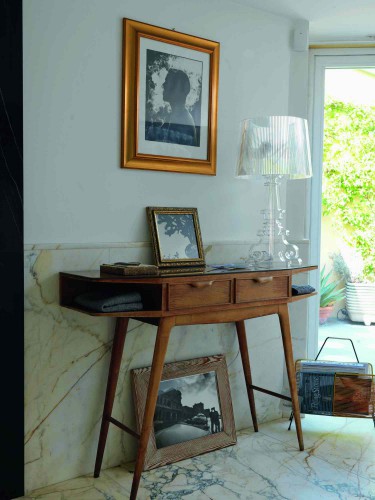
To inject some Baroque style into a modern room, incorporate contemporary pieces that are a playful riff on Baroque style. The best-selling Bourgie lamp designed for Kartell by Italian designer Ferruccio Laviani in 1994 is made from transparent polycarbonate, modeled after an antique lamp that the designer had on his desk. This ultra-contemporary reimagining of Baroque style traverses time and space and is surprisingly versatile.
For a more traditional take, choose Rococo-style furniture such as curvy velvet upholstered armchairs, slipper chairs, and skirted sofas.
Recommended Articles
You Should Never Paint These 5 Household Features, According to Reno and DIY Pros
Moisture, heat, and frequent use are the most common reasons you shouldn't paint a household feature.Bathtubs, door knobs, and floors are among the things you definitely shouldn't paint.Swapping out f
Designers Agree: This Earthy Shade Is Their Favorite Paint Color of All Time
Less is often more when it comes to paint options. If you've ever brought home too many swatches and gotten seriously confused, we understand. We love keeping up with which paint colors are currently
Feng Shui Tips for Your Tiny Apartment
Tiny spaces like studio apartments may seem like they would be hard to apply feng shui. But fear not! Small living spaces can also have good feng shui. Here are our top feng shui tips for your tiny ap
Open Floor Plans Are Over—Why Designers Hate Using This Layout in Their Projects
Open floor plans, majorly in style at the beginning of the 21st century, have started to fall out of favor in more recent years. "While open floor plans are popular in a lot of new homes with their mo
8 Home Reno Projects Contractors Say You Should Finish This Spring
While there are some upgrades that can be completed indoors during the fall and winter, the temperatures can present challenges. Mild weather conditions make spring the ideal season for work that requ
Bathroom Fan Venting Code Basics
Bathrooms accumulate smells and moisture, leading to potentially hazardous mold and mildew. All bathrooms benefit from some exhaust venting system. Bathroom exhaust fan code requirements provide helpf
Diagnosing Faucet Leaks
Some faucet leaks are pretty obvious to spot—when a faucet drips from the spout, even when the handle is turned off, there is no misunderstanding about the fact that your faucet is leaking. However, n
4 Inexpensive Options for Kitchen Flooring
You can easily spend $20 to $30 per square foot on luxury flooring for your kitchen, but if you are willing to shop around and tackle the installation yourself, a new kitchen floor can cost well under