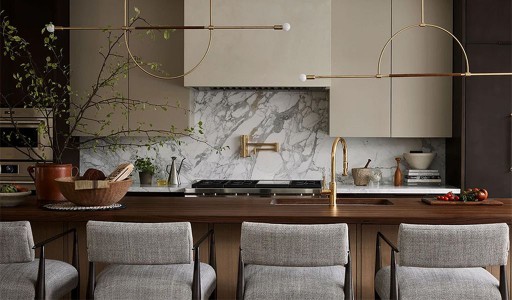
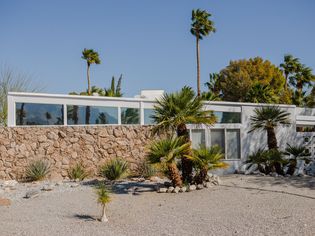
Modern architecture, emerging in the 1930s and thriving through the 1970s, revolutionized building design by focusing on functionality and human living rather than ornamental beauty. As industrialization replaced hand-crafted methods, this popular architectural style became known for being innovative, experimental, and minimal.
At its core, modern architecture emphasizes form following function, with features like clean lines, open floor plans, plenty of natural light, and minimal ornamentation. Buildings are crafted to prioritize practicality and enhance the human experience.
Learn more about the dawn of modern architecture and how to recognize its most identifiable characteristics.
What Is Modern Architecture?
Modern architecture, also called modernist architecture or International Style, is a style of building that emphasizes function and a streamlined form over ornamentation. This design aesthetic began in the 1930s as a departure from more elaborate and decorated homes like Queen Anne, Victorian, or Gothic Revival styles. Modern architecture, often seen through the 1970s, usually involves sharp, clean lines.
History of Modern Architecture
The modern movement was long-lived, encompassing several sub-styles spanning nearly 60 years. In this way, it can be tough to pinpoint an exact starting point. To some, the style includes more transitional architecture, like the Art Deco and Arts and Crafts movements. To others, those earlier styles served as inspiration for more "pure," midcentury modern architects.
The birth of modern design came with the premise that form should follow function. This idea started with architect Louis Sullivan who designed buildings for the 1893 Chicago World Fair. That mantra became the foundation for modern architects.
Other popular pioneers of modern architecture include Frank Lloyd Wright, Staatliches Bauhaus, Ludwig Mies van der Rohe, and Le Corbusier.
The modern design aesthetic was in full swing in the 1930s and became known as International Modernism or International Style. This design aesthetic came after an architecture exhibit by Philip Johnson in 1932.
In general, the most well-known examples of modern architecture end around the mid-20th century, but the design style still influences buildings well into the late 20th century.
However, as the design period continued, many architects challenged this strict notion of space and lack of decor as cold and impersonal. This evolution brought on more contemporary designs that worked to incorporate ornamentation and color. In a contemporary home, you can have an open-concept floor plan and private spaces.
Eventually, in the 1960s and 1970s, modern principles such as excess space and the stark nature of building materials became too cold for everyday living and sparked new forms of architecture.
Ideology of Modern Architecture
Modern homes were revolutionary in that they embraced the concept of free-flowing space. The ideology rejected clutter and excess belongings, focusing on these four core tenets:
- Materials: Only innovative materials at the time were to be used in construction, such as glass, steel, and concrete.
- Function: A building should only visually convey its intended use without ornamentation or flourishes.
- Comfort: Open space, natural light, and large windows connect to nature to improve well-being.
- Structural improvements: Intentional structural improvements included raised buildings on pillars for ground floor parking or gathering spaces, horizontal ribbons of windows for better natural lighting, and elimination of load-bearing walls for larger, more flexible spaces.
Characteristics of Modern Architecture
Since there are so many styles of modern architecture, there are several defining characteristics. Here are some of the more common, broad key features seen across different forms of modern architecture:
- Clean, minimal lines. These lines lack additional ornamentation and generally have a consistent, smooth texture.
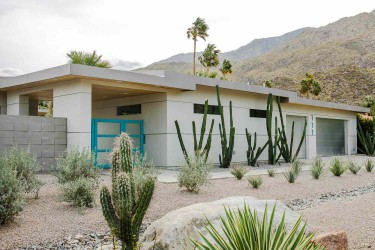
- Broad roof overhangs. Several modern homes emphasize low, horizontal structures with large roof overhangs.
- Walls of glass and large windows. You will find a very generous use of glass, which allows a significant amount of natural light into the interior.
- Open and well-defined floorplans. Since modern architecture focuses on form over function, architects sought to include large, spacious floorplans with dining and living spaces that flowed into one another.
- Modern and traditional building materials. Some common materials in modern homes include steel, concrete blocks, iron, and glass. More conventional building materials like wood, brick, and stone were used only to show off their natural beauty and complement the colors of the exterior.
- A relationship to the outside environment. A lot of thought went into building sites and how buildings would relate to the natural landscape surrounding them.
- Asymmetrical designs. Modern architects played around with large, smooth shapes and asymmetrical compositions that were cleanly planned and lacked additional decoration.
Types of Modern Architecture
There are several styles of modern architecture in the United States alone. From 1930 through 1970, categories included Expressionist, Constructivist, and Midcentury Modern, to name a few. Here are a few of the most popular types of modern architecture.
Early Modern Architecture
Earlier examples of modern architecture included buildings that showed off their structural forms and building materials, such as metal framing, steel, or concrete. There was still some use for ornamentation and beauty but for a purpose. For instance, Frank Lloyd Wright incorporated art glass windows into buildings so that no additional artwork was needed.
Midcentury Modern
By the mid-to late-1940s, modern architecture evolved towards a look that felt more human. Midcentury modern architecture was still minimal and functional but introduced warm and organic materials, including wood, large swaths of glass to let natural light in, and spacious open floor plans.
Postmodern
A backlash to the minimalist, sleek styling of modern architecture began in the 1970s, postmodern architecture echoed the pre-modern architecture styles which felt colorful, vibrant, ornate, and decorative. Ornamentation was reintroduced, and its eclectic lines continue today.
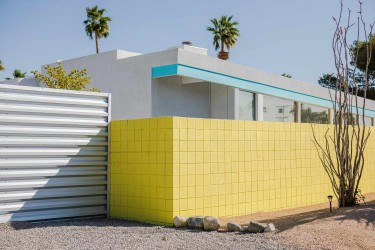
The Spruce / Sarah Crowley
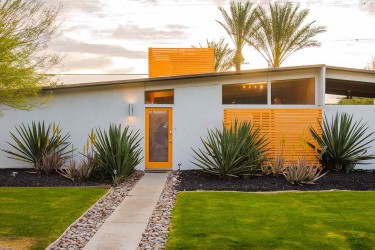
The Spruce / Sarah Crowley
The Spruce / Sarah Crowley
Famous Examples of Modern Architecture
There are stunning examples of modern architecture still standing in pristine condition across the country, and many are open to the general public for tours. Here are a few examples of buildings designed by modern architects:
- Eames House by Charles and Ray Eames
- Glass House by Philip Johnson
- Falling Water by Frank Lloyd Wright
- Farnsworth House by Ludwig Mies van der Rohe
- Barcelona Pavilion by Ludwig Mies van der Rohe
- Seagram Building by Ludwig Mies van der Rohe and Philip Johnson
Modern vs. Contemporary Architecture
Modern and contemporary architectural styles are different though many view them as the same. Modern architecture was inspired by an art movement known as modernism and lasted until around 1960. Contemporary architecture incorporates diverse styles of architecture from the 1960s and into today.
- What defines modern architecture?
Modern architecture is defined by minimal ornamentation and a focus on the materials and functions that make up a building. You'll find sleek lines, open floor plans, and an abundance of natural light,
What are the basic rules of modern architecture?The basic rule of modern architecture is that form follows function and less is more. A modern building or home clearly and visually conveys its use and intention without ornamentation.
What architectural style is the opposite of modern?The eclectic, whimsical, and colorful Postmodernist architectural style was a reaction to austere modern architecture. Postmodern architecture appeared in the 1970s and evolved into the Memphis Design style in the 1980s.
Recommended Articles
 PAINTING
Acrylic vs. Latex Paint: What's the Difference, and Does It Matter Which One You Use?
Acrylic and latex have some similarities, but ultimately they are distinctly different products. Both acrylic and latex paint have their uses, so it's important to learn the differences to ensure you'
INTERIOR-DECORATINGBeginner's Guide to Quarry Tiles
It's confusing to understand the various types of hard, stone-like floor tiles available, including quarry tile, terracotta, and ceramic and porcelain tile. But quarry tile is markedly different from
INTERIOR-REMODEL-AND-REPAIR6 Easy Ways to Fix a Squeaky Door Right Now So You Can Finally Know Peace
A squeaky door is a constant annoyance. While a little bit of lubrication might quiet a squeaky door temporarily, constantly having to lubricate it is a telltale sign that something is wrong. If you f
INTERIOR-REMODEL-AND-REPAIR4 “Dream” Home Upgrades You Can Fake Right Now, According to Avid DIY-ers
This story is a part of our Old House New Issue, where we explore why people are no longer moving in 2024, and how to renovate your current home to make it work for you. To learn more about where to s
HOME-IMPROVEMENTBuilding Your Own House: A Step-by-Step Guide
Building a house has an undeniable allure. A new house can be designed exactly how you picture it, allowing you to take control of the building process. You can even save money by avoiding any unfores
EXTERIOR-REMODEL-AND-REPAIRHow Much Does a Tiny House Actually Cost? Everything You Should Know
The average tiny house cost is low compared to that of a traditional home, contributing to their recent surge in popularity. A tiny house is exactly what it sounds like: A house shrunk down in size (u
EXTERIOR-REMODEL-AND-REPAIRIs That Termite Damage or Wood Rot? How to Tell the Difference So You Can Fix It Fast
Termite damage and wood rot look similar and are damaging to a home.Termite damage is due to insects, while wood rot is caused by fungus or water.Knowing the difference between termite damage and wood
KITCHEN-REMODEL-AND-REPAIRWhat Is a Pot Filler and Do You Need One in Your Kitchen? Everything You Should Know
You might have noticed a trend in today's kitchen remodels, particularly high-end ones, is the addition of a pot filler: that secondary faucet typically mounted onto the wall right behind the kitchen’