
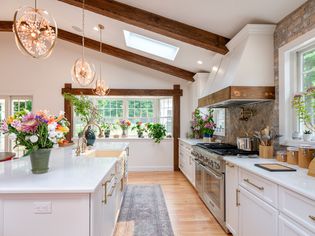
Renovating your home is a rollercoaster—between deciding where to splurge and where to save, remembering every project that needs doing, and picking a room to start with, there are so many factors to consider.
DIY renovations can feel like a rewarding (and low-cost) option, so it's easy to get ahead of yourself and start trying every project on your to-do list without proper planning. Trying your hand at repairing some issues can be a fun challenge to take on when upgrading your space.
However, according to experts, attempting to take some larger home projects yourself can be an expensive—and sometimes even dangerous—mistake.
Before you pick up the toolbox, consider calling a professional for these five projects during your home renovation.
Meet the Expert
- Nina Lichtenstein is the founder and principal home designer at Nina Lichtenstein Custom Home Design.
- Samantha and Casey Tosti are the interior designer and craftsman duo behind Tosti Design.
Electrical Upgrades and Rewiring
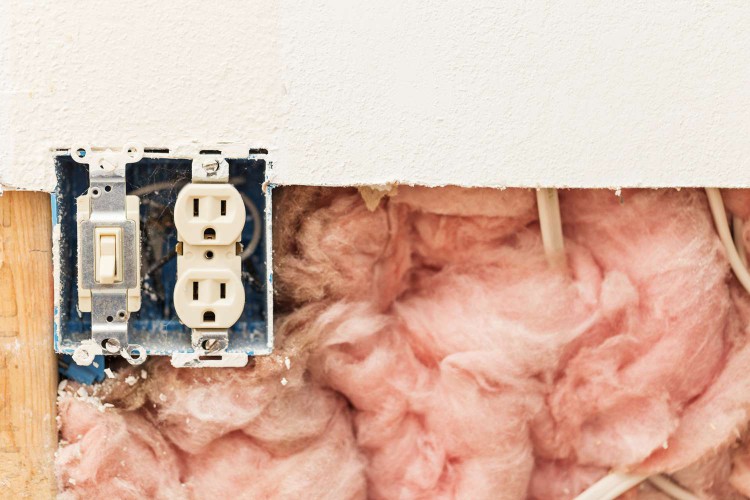
Although tasks like changing a lightbulb, replacing a light fixture, or adding a wall sconce are safe for the typical DIYer to try, home designer Nina Lichtenstein warns that any bigger projects are best left to the electricians.
In addition to the fire, shock, and overall safety hazards that come to mind with a rewiring project, there are also other important factors the experts have covered that you may not have considered.
"Tasks like upgrading a panel, rewiring circuits, or installing new outlets require specialized knowledge and adherence to local codes," Lichtenstein explains. "Licensed electricians possess the necessary skills to ensure that your home's electrical infrastructure is safe and up to standard."
Tiles and Backsplashes
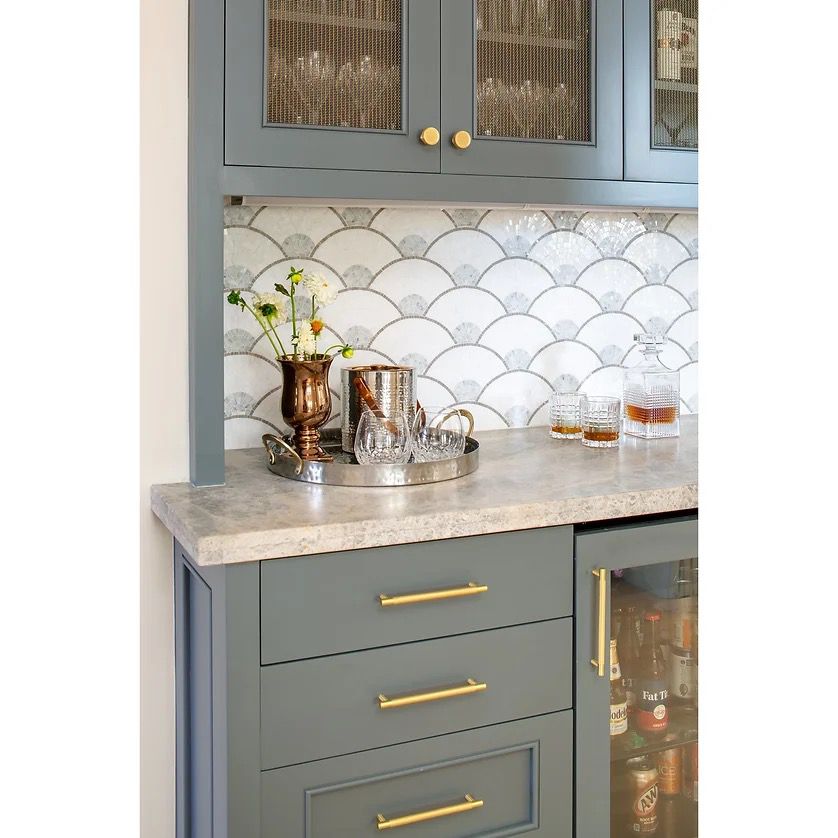
Design by Tosti Design/ Photography by Brady Architectural Photography
"There’s nothing better than that feeling you get when you finally take a hammer to that tile you have loathed for years—but new tiling is one of the home renovation projects best left to the experts", interior designer Samantha Tosti of Tosti Design advises.
Her husband, woodworker and craftsman Casey Tosti, agrees, adding that cutting, aligning, securing, and protecting tile for everything from sleek bathroom floors to beautiful backsplashes is much more challenging than many DIY home renovators expect.
"All it takes is for one little brick to be out of place, and then rest will meander off until that’s the piece you constantly stare at—and all your friends notice when they come visit," he says.
Structural Changes
The Spruce / Adrienne Legault
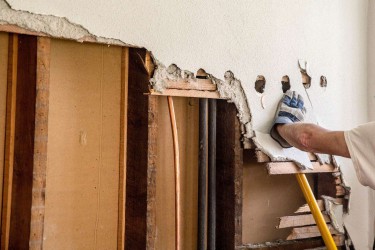
Walls play a pivotal role in setting the ambiance and aesthetic of a home, and during a renovation, it can be tempting to transform them completely.
However, when it comes to changing things up on your own, the Tostis both draw the line at structural changes that could impact the architecture.
"There are some tasks you can do on your own, such as painting or trim work," Samantha Tosti says. "But it's worthwhile to tap into the knowledge of trained experts—consult a pro when taking on a major remodel area to keep you from making costly mistakes."
"It may feel good to just keep knocking down walls, but make sure you know which ones are keeping the house standing," Casey Tosti adds.
Roof Repairs and Replacement
brizmaker / Getty Images
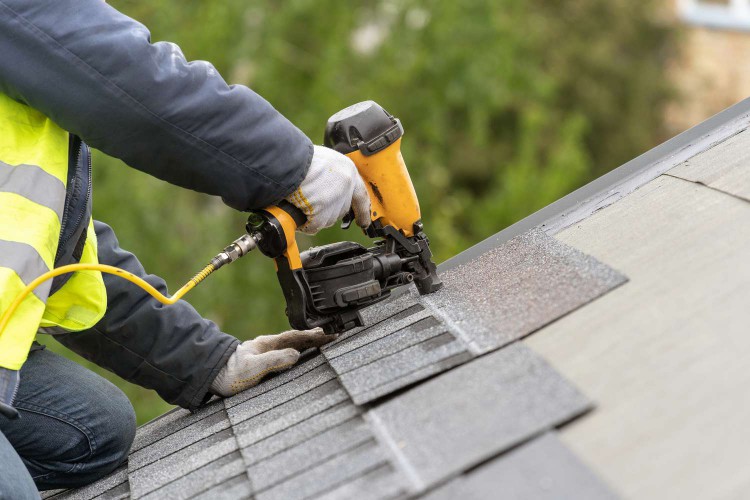
Before you get climbing, Lichtenstein advises bringing in a professional for any rooftop repairs. Like electrical rewiring, attempting these projects on your own poses major safety risks, and can also make costly impacts on your home in the long term.
"The roof is your home's first line of defense against the elements, making proper installation and maintenance crucial," she says. "Errors in installation can lead to leaks, water damage, or even structural issues down the line."
Plumbing
The Spruce / Nelly Cuanalo
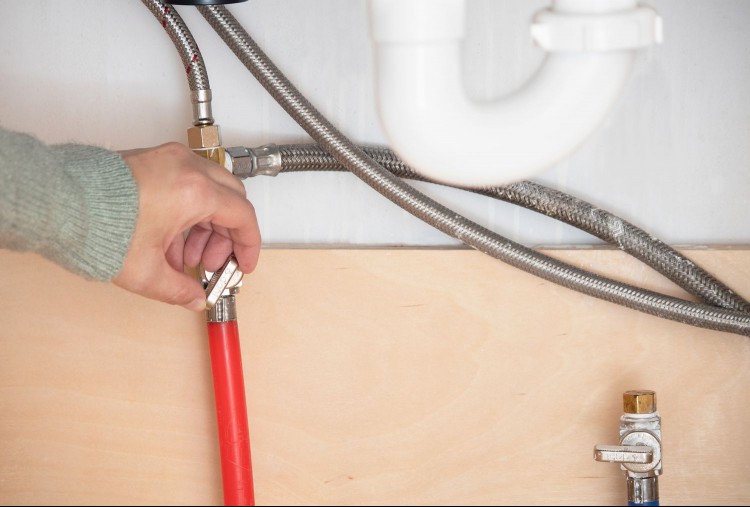
All three of our experts agree: plumbing repairs and repiping should always be left to the professionals. Issues with a plumbing system can be messy, and leaking pipes can cause major damage to your home,
"Improper plumbing installations can result in leaks, water damage, or even contamination of the water supply," Lichtenstein explains. "Like electricians, plumbers understand local codes, plus they have access to specialized equipment, like pipe cameras, and can troubleshoot effectively to address any underlying issues."
Recommended Articles
5 Easy Home Projects You Can Finish in Just One Day for a Whole New Look
Anyone who isn’t a DIY pro but has tried their hand at a home project knows one thing to be true: Doing it yourself often can take a lot more time—and cost a lot more money—than we’re usually led to b
7 Easy Home DIYs for Your Best Thrift Store Finds, Straight From Designers
Thrift stores aren't only full of potential home goods, but they're teeming with objects that make for perfect DIY supplies. Even the most unsuspecting picture frame or glass bowl can end up transform
How Many Coats of Primer Do You Need?
Should you always prime before painting? If so, how many coats of primer do you need? There's no one answer because the number of coats of primer depends on a few factors, such as the color you're pai

Tips for a Better Concrete Garage Floor Slab
Whether you are just thinking about a new concrete garage floor or ready to start planning a new one, you probably have a lot of questions. Sure, you might be satisfied to call a concrete contractor a

How Much Does It Cost to Build a Barndominium?
Barndominiums are a type of home that combines living areas with workspace, often inside a restored barn or a new barn-like metal building. These unique structures are gaining popularity as alternativ
Turning Your Shed Into a Tiny House? Here's What to Know
Turning a shed into a tiny house expands living or creative spaces, opens up short-term rental income opportunities, or provides a place for family members to stay. Learn how to turn a shed into a tin

Electrical Code Requirements for Bathrooms
Like the wiring in other parts of the home, the electrical service in bathrooms must follow the code requirements set forth by your local building inspection office. Over the years, these requirements
7 Types of Stoves and How to Choose One for Your Home
To choose the right type of stove for your kitchen, combine a stove style that you like—induction, radiant, freestanding, and more—with the kitchen's fuel type, whether electric or gas. This guide bre